

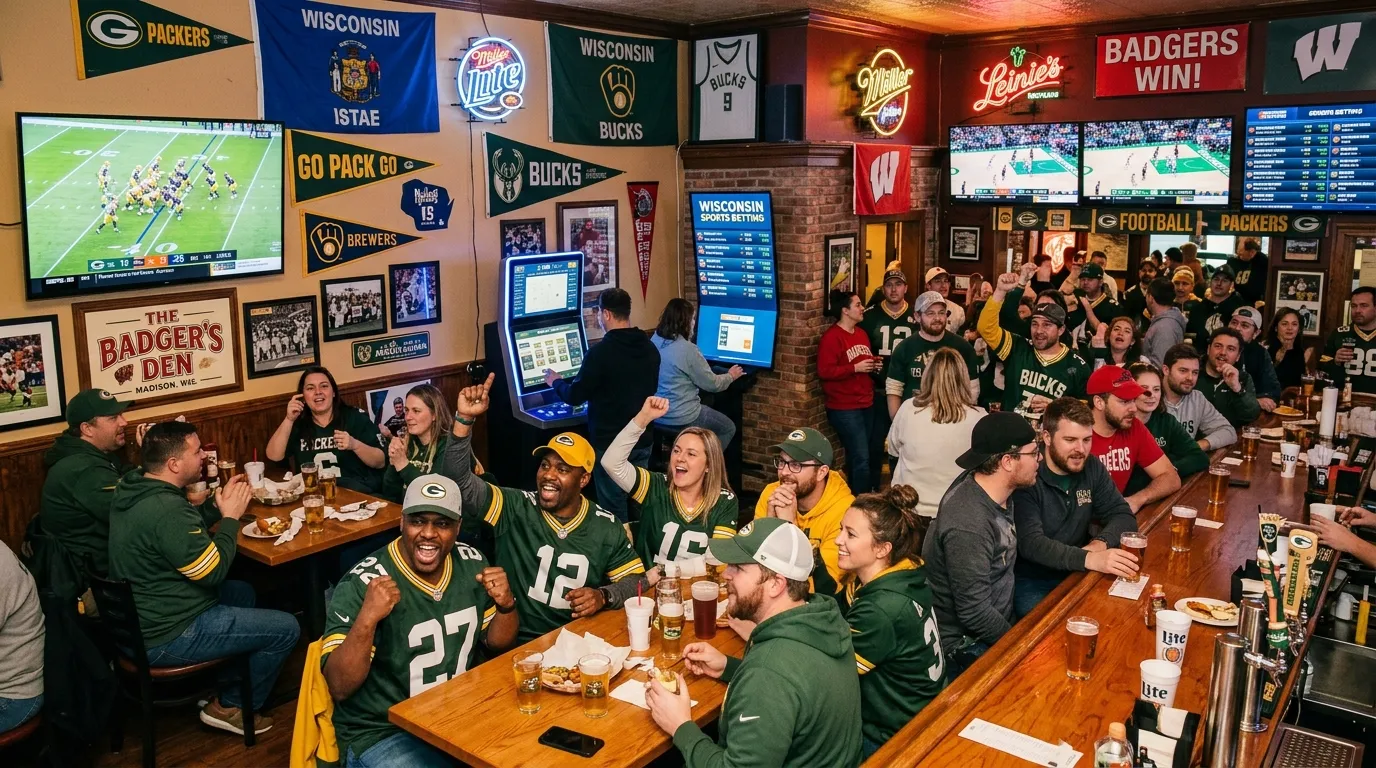
The landscape of sports betting wisconsin offers a unique opportunity to revolutionize modern classrooms. Strategic revenue allocation can foster deep calmness, boost student focus, and cultivate hands-on educational experiences.
This comprehensive guide explores the intersection of economic policy and academic development. You will learn actionable strategies for utilizing gaming revenue to integrate therapeutic horticulture, mindfulness programs, and financial literacy into curriculums. Explore our structured insights to create a focused, stress-free learning atmosphere.
Why sports betting wisconsin Matters in Educational Development
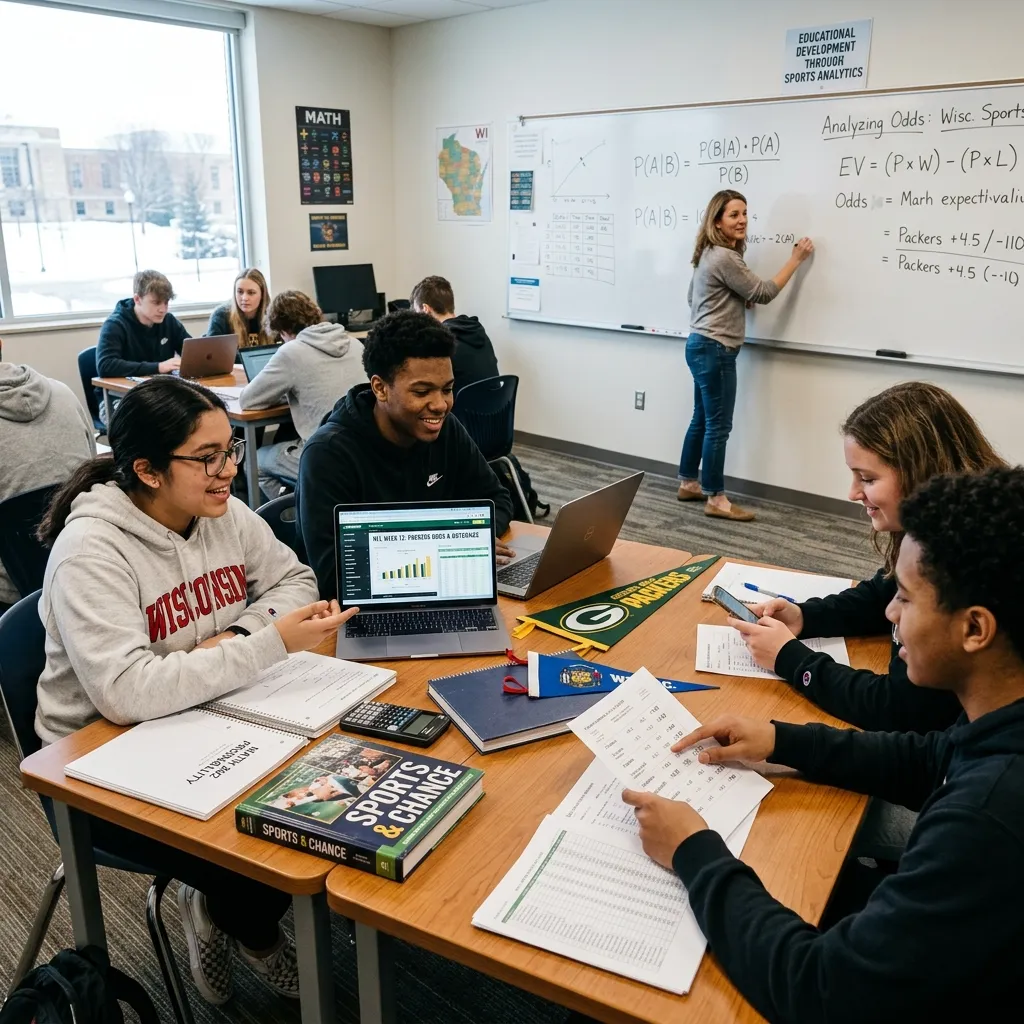
Bringing modern economic strategies into the educational sphere does much more than simply balance a state budget. It fundamentally shifts how schools can interact with their surrounding learning environment. Administrators who advocate for using revenue generated by sports betting wisconsin consistently notice immediate, measurable improvements in their ability to fund classroom behavior initiatives, emotional regulation programs, and long-term cognitive retention strategies. When states invest new revenue streams into infrastructure, they invest in the holistic well-being of the student body.
The Behavioral Psychology of Calm Learning Spaces
Extensive research from leading psychological organizations demonstrates that creating properly funded, nature-based learning environments significantly lowers cortisol levels in children. When students step into a lush, well-funded environment—potentially supported by new tax revenues—their baseline stress and anxiety decrease. This physiological shift opens the cognitive door for much deeper concentration and academic retention. Incorporating a hands-on STEM curriculum allows abstract scientific concepts to become tangible, interactive realities. Students who struggle to sit still at a standard desk often find grounding and focus when schools have the resources to provide advanced educational tools.
Bridging the Gap with Experiential Learning
Standard textbooks offer valuable educational frameworks, but a well-funded school offers a dynamic, living laboratory. Through robust experiential learning, students can observe complex systems in real-time. Providing students with structured opportunities to explore financial literacy, statistics, and probability—concepts inherently linked to the economics of gaming—encourages a profound sense of responsibility.
Technical Setup: Structuring Ideal Educational Funding

Designing a fully functional educational framework supported by alternative revenue streams requires specific, highly technical considerations regarding structural safety, student accessibility, and long-term durability. Effective policy emphasizes that the foundation of your program relies heavily on transparent funding.
Choosing the Right Revenue Allocations
Selecting the correct allocation model forms the absolute foundation of your academic infrastructure. Schools must carefully balance inevitable budget constraints with long-term longevity.
|
Funding Focus |
Primary Beneficiary |
Overall Durability |
Educational Impact |
Best Application |
|---|---|---|---|---|
|
Infrastructure |
School Buildings |
Extremely High |
Excellent |
High-budget, permanent structures |
|
Mindfulness Programs |
Student Well-being |
High |
Good |
Most school counseling initiatives |
|
STEM Equipment |
Advanced Academics |
Moderate |
Good |
High school technical training |
|
Outdoor Greenhouses |
Therapeutic Horticulture |
Very High |
Excellent |
Specialized science academies |
Sensory Management for Student Comfort
An overheated, poorly ventilated classroom creates immediate physical distraction, defeating the fundamental goal of cultivating a calm learning environment. Proper facility funding ensures that both the delicate learning ecosystems and the active students remain completely comfortable. Proper cross-ventilation and advanced HVAC systems ensure that students can maintain focus during long lectures, turning chaotic classrooms into sanctuaries of deep thought.
Advanced Data and Statistical Learning
Understanding probabilities, risk management, and data analysis is crucial in the modern economy. By utilizing funding to teach advanced mathematics, educators provide the perfect balance of abstract theory and practical application. Teaching students how to calibrate and program automated data models serves as an excellent introduction to agricultural technology, economic forecasting, and advanced engineering principles.
Mastering Mental Health and Mindfulness Systems
Healthy academic performance begins with an incredibly healthy mind. Teaching students about complex emotional regulation is a cornerstone of any effective developmental curriculum. Successful programs always prioritize the psychological ecosystem beneath the surface.
Building Cognitive Resilience
Avoid sterile, lifeless teaching methods if you want to teach true resilience. Instead, introduce students to the fascinating world of mindfulness, meditation, and focused breathing. Show them how taking a moment to center themselves increases their mental capacity, allowing them to absorb academic material much more efficiently.
Establishing an Integrated Wellness Station
Every modern school should feature a dedicated wellness center. Have students utilize these spaces to decompress, manage anxiety, and learn biofeedback techniques. Managing a quiet space is particularly engaging for younger learners, directly linking emotional management to long-term academic vitality.
Strategic Resource Rotations for Continuous Learning
To maximize educational value throughout the entire academic calendar, educators must implement strategic resource rotations. These strategies ensure the space remains active, engaging, and highly productive from the first day of autumn classes to the final bell of spring.
Autumn Integrations (September to November)
Start the school year with fast-paced, resource-heavy modules. Utilizing alternative funding allows schools to purchase necessary supplies early in the year, ensuring that students have what they need to establish quick momentum. Focusing on foundational wellness practices teaches long-term patience, as students will rely on these skills until the end of the school year.
Winter Maintenance (December to February)
In colder climates, winter requires careful management of indoor learning environments. Use this time to focus heavily on indoor learning modules centered around digital literacy, statistical modeling, and personal wellness planning for the upcoming spring. Focus on quiet, focused tasks that require minimal physical space but yield rapid, highly beneficial cognitive results for the classroom.
Spring Explosions (March to June)
Spring is the busiest, most exciting time in education. Students can start utilizing outdoor learning spaces, applying the mindfulness techniques they learned during the winter. As the weather warms, students can transition their established emotional resilience into higher-stakes end-of-year testing, completing the full academic lifecycle before leaving for summer break.
Pro Tips for Maximizing Student Engagement
To truly transform education through calm and focus, teachers must strategically weave practical mindfulness tasks into daily routines. Follow these advanced tips to maximize participation:
- Assign specific classroom management roles to different grade levels to build a fierce sense of ownership.
- Integrate fine arts classes by having students sketch calming, repetitive patterns.
- Utilize digital data logging tools so mathematics students can diligently track the statistical probabilities of real-world events.
- Cultivate highly sensory environments utilizing soft lighting and ambient noise to promote grounding mindfulness.
- Partner proactively with local psychological experts to host interactive guest lectures inside the school environment.
Strategic Concept Selection for Calm and Focus

Not all academic concepts perfectly suit a calm educational setting. You want fast-paced, highly resilient subjects that gracefully tolerate the enthusiastic learning styles of modern students. Implementing smart educational strategies means choosing the right mental frameworks.
Quick-Win Cognitive Tasks
Puzzles, short-form writing prompts, and rapid mathematical drills engage students quickly. This rapid learning cycle keeps impatient students highly engaged and provides incredibly quick rewards for their physical efforts. Seeing a complex problem solved within mere minutes builds immense momentum and long-term excitement for ongoing academic studies.
Sensory and Emotionally Calming Techniques
Deep breathing, progressive muscle relaxation, and guided imagery offer deeply soothing physical benefits that naturally reduce physiological anxiety and promote classroom focus. These techniques teach fascinating lessons about neurological adaptation and require minimal physical resources, making them absolutely perfect for younger students learning the fundamental basics of self-care.
Common Mistakes to Avoid in Educational Funding
Even the most enthusiastic, well-meaning administrators can severely stumble when setting up a new program utilizing alternative revenue. Steer clear of these incredibly frequent pitfalls to ensure your academic program thrives year after year.
- Ignoring Critical Staff Training: Teachers desperately need consistent training to implement mindfulness programs effectively. Create a robust summer training roster heavily involving psychological professionals.
- Overcrowding the Curriculum: Students require ample cognitive space to completely absorb new information. Leave wide, easily navigable blocks of time in the schedule so students can move comfortably between subjects without feeling overwhelmed.
- Focusing Exclusively on Metrics: A well-designed school serves absolutely every facet of human development. Failing to actively include emotional well-being severely limits the educational potential of the expensive space.
- Using Outdated Technologies: Always emphatically opt for modern, highly secure digital networks. Outdated solutions pose unacceptable security risks to young learners and destroy the functional ecosystem.
Measuring the Impact on Student Well-being
Schools actively implementing structured wellness programs consistently report significantly lower disciplinary incidents and higher attendance rates. By providing a quiet, highly tactile retreat, students who frequently struggle with the overwhelming stimuli of traditional classroom settings find a peaceful space where they can genuinely thrive. Consult excellent resources from Edutopia on exactly how nature-based learning environments and mindfulness directly support neurodivergent students by dramatically reducing sensory overload. Utilizing comprehensive funding strategies creates an inclusive environment for all cognitive types.
When administrators prioritize mental health, they build a foundation that supports all other academic endeavors. A calm student is a focused student, and a focused student is capable of mastering even the most complex subjects.
The Future of Alternative Educational Economics
As states continue to explore new economic avenues, the conversation around educational funding becomes more dynamic. By observing successful implementations in other regions, local policymakers can craft legislation that ensures a significant portion of new revenues is permanently earmarked for public education. This forward-thinking approach guarantees that as the economy evolves, the school systems evolve alongside it, providing students with the absolute best resources available.
Through careful planning, rigorous oversight, and a deep commitment to student well-being, the integration of new economic models can profoundly alter the trajectory of a generation. By investing in the infrastructure of calm, we invest in the architecture of focus.
Conclusion
Understanding the economic landscape of sports betting wisconsin offers a uniquely powerful pathway to dramatically enhance educational outcomes. By seamlessly blending new revenue streams with therapeutic, mindful academic environments, schools nurture developing young minds. Start your strategic journey today to effectively build a calming, hyper-focused educational system where every single student has the wonderful opportunity to naturally grow, learn, and thrive.
Frequently Asked Questions
How does alternative state revenue genuinely improve student focus?
Alternative revenue allows schools to purchase better HVAC systems, comfortable seating, and advanced learning tools. This dramatically lowers physical stress levels in the classroom, naturally reducing anxiety and allowing for significantly better cognitive concentration.
What specific subjects benefit most from increased educational funding?
While all subjects benefit, STEM education and the fine arts see the most dramatic improvements. These subjects require expensive materials, specialized equipment, and dedicated spaces that alternative funding can easily provide.
Do schools need a massive budget to implement mindfulness programs?
No. While large structural changes are expensive, simple mindfulness training for teachers offers a highly affordable entry point for schools actively looking to start emotional regulation projects on a very tight budget.
How can administrators effectively maintain wellness programs year-round?
Establish a dedicated staff committee. Proactively invite counselors, local psychologists, and enthusiastic teachers to formally adopt the wellness initiatives, ensuring consistent implementation and training throughout the year.
Is it safe to teach financial literacy and statistical probability to young students?
Yes, provided you meticulously use age-appropriate models. Teaching the mathematics behind risk management and probability empowers students to make informed, highly logical decisions later in life.
How can I creatively integrate mindfulness into the mathematics curriculum?
Students can precisely track their own heart rates before and after deep breathing exercises, accurately plotting the data on line graphs, and statistically analyzing the physiological benefits over extended periods of time.
What is the ideal target environment for a calm classroom?
Aim for comfortable temperatures, abundant natural light, and minimal visual clutter. This optimal range perfectly supports most standard learning tasks while remaining highly comfortable for the active students working inside.
How much dedicated time should students actually spend on mindfulness weekly?
Even just 10 to 15 minutes a day yields highly significant psychological benefits. Consistency matters far more than long durations. Regular, short, focused sessions help students build reliable emotional regulation routines.
Can specialized funding genuinely help students with severe behavioral challenges?
Absolutely. Hiring specialized counselors and building dedicated sensory rooms provides an excellent grounding outlet for overwhelmed students. This deeply fosters empathy, behavioral patience, and vital emotional regulation skills.
What are the most common challenges when implementing new educational initiatives?
Staff resistance, inconsistent training, and poor resource allocation frequently appear. Manage them safely using transparent communication, professional development, and introducing pilot programs before launching massive district-wide changes.