
Are you wondering how oklahoma sports betting could reshape our schools? Discover how wagering revenue might fund innovative calm and focus programs for local students.
This comprehensive guide explores the evolving legislative landscape of oklahoma sports betting and tribal compacts. We examine how capturing lost tax revenue can directly fund educational initiatives, specifically targeting student mental health through mindfulness, emotional regulation, and focused attention strategies.
The Legislative Landscape of oklahoma sports betting
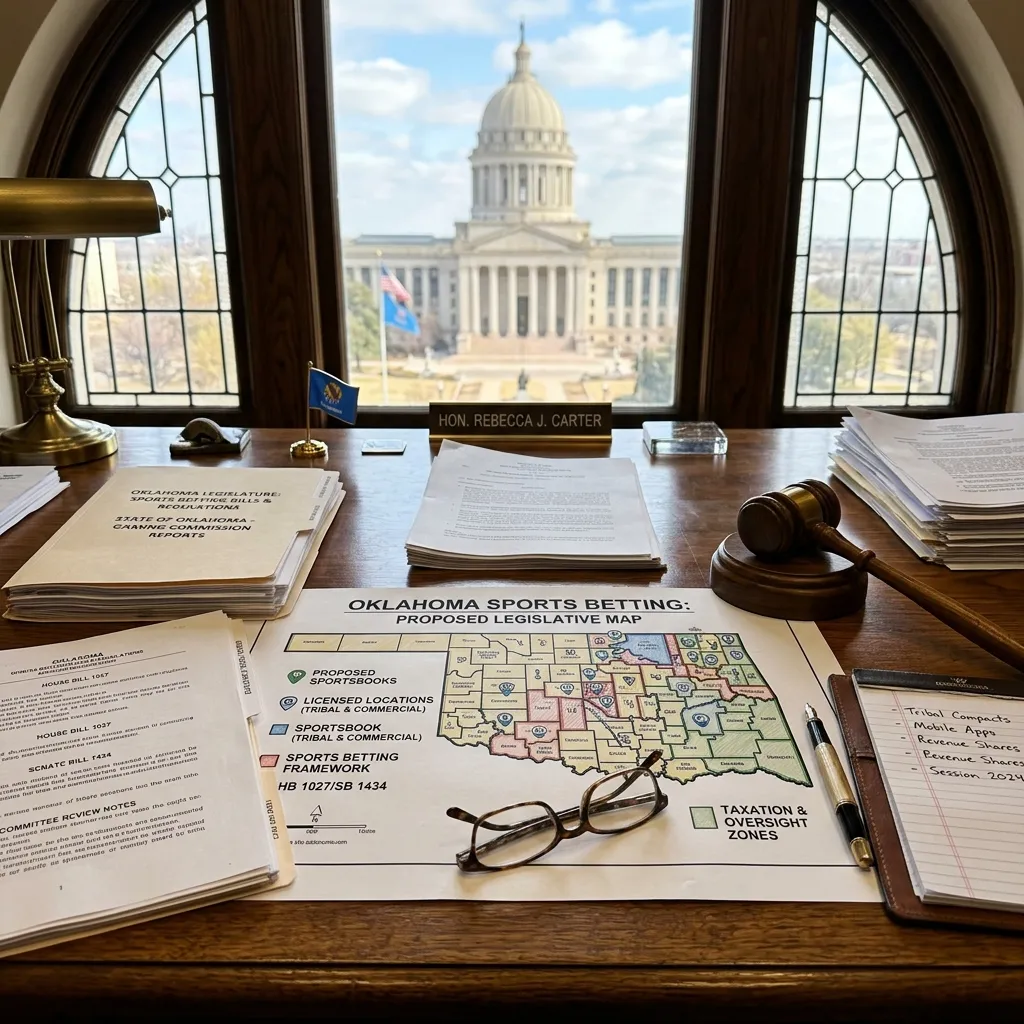
Understanding the regulatory environment requires a deep dive into the state’s unique relationship with sovereign tribal nations. For decades, the region has maintained a robust gaming industry managed almost exclusively by tribal operators through complex exclusivity compacts. These agreements dictate how gambling revenue is shared with the state government, providing millions of dollars annually for public services. However, the introduction of oklahoma sports betting remains a highly contested topic among lawmakers, tribal leaders, and public advocacy groups.
Recent legislative sessions have seen intense debate over how to structure a legal wagering market. Bills proposing the legalization of retail and mobile sportsbooks have faced significant pushback. Some lawmakers argue that expanding gambling access creates moral hazards and financial risks for vulnerable populations. Conversely, advocates highlight that an unregulated, underground market already exists. By ignoring the demand for oklahoma sports betting, the state forfeits substantial tax revenue that could be deployed to solve pressing social issues, particularly within the severely underfunded public education system.
To build a sustainable framework, any future legislation must respect existing tribal gaming compacts while modernizing the state’s approach to digital commerce. When platforms operate in the shadows, consumers face risks such as identity theft, withheld payouts, and a total lack of responsible gaming resources. Transitioning to a regulated environment ensures consumer protection, creates a transparent taxation model, and provides an unprecedented opportunity to direct massive financial windfalls toward innovative classroom initiatives that foster student well-being.
Navigating Recent Legislative Hurdles
The journey toward legalization has been fraught with legislative roadblocks. Recent proposals aimed at allowing tribes to offer retail and mobile sports wagering while remitting a percentage of earnings to the state fell short of passing. Critics often cite concerns over addiction and the potential negative impact on low-income families. However, proponents argue that a regulated oklahoma sports betting market would include mandatory funding for addiction treatment and robust age verification protocols.
When lawmakers reject regulation, the demand does not disappear; it simply migrates to unregulated offshore platforms or neighboring states. This capital flight represents a missed opportunity to invest in local infrastructure. By observing the success of other jurisdictions, legislators can craft a model that balances economic growth with strict social safeguards. The ongoing dialogue suggests that while immediate passage remains elusive, the foundation for future compromise is actively being laid.
The Economic Potential of a Regulated Market
Evaluating the fiscal impact of oklahoma sports betting reveals a landscape brimming with untapped potential. Economists estimate that a fully mature, regulated market could generate tens of millions of dollars in new tax revenue annually. This financial injection comes without the need to raise income or property taxes, making it a highly attractive proposition for budget-conscious policymakers. The revenue generated from betting handle and gross gaming revenue could easily bridge existing gaps in state budgets.
Beyond direct taxation, the legalization of oklahoma sports betting stimulates broader economic development. The industry requires a vast network of support services, including cybersecurity experts, compliance officers, software developers, and customer service representatives. Retail sportsbooks located within existing tribal casinos drive tourism, increase hospitality spending, and create secondary jobs in food, beverage, and entertainment sectors. This holistic economic stimulation revitalizes both urban centers and rural communities where tribal facilities serve as primary employers.
Crucially, retaining capital within state borders strengthens the local economy. Currently, residents who wish to place wagers must travel to neighboring jurisdictions or use offshore accounts, effectively exporting their disposable income. Establishing a regulated oklahoma sports betting market repatriates these funds. When this repatriated wealth is strategically channeled into specific public sectors, the entire state reaps the rewards of a modernized entertainment landscape.
The Current State of Educational Funding
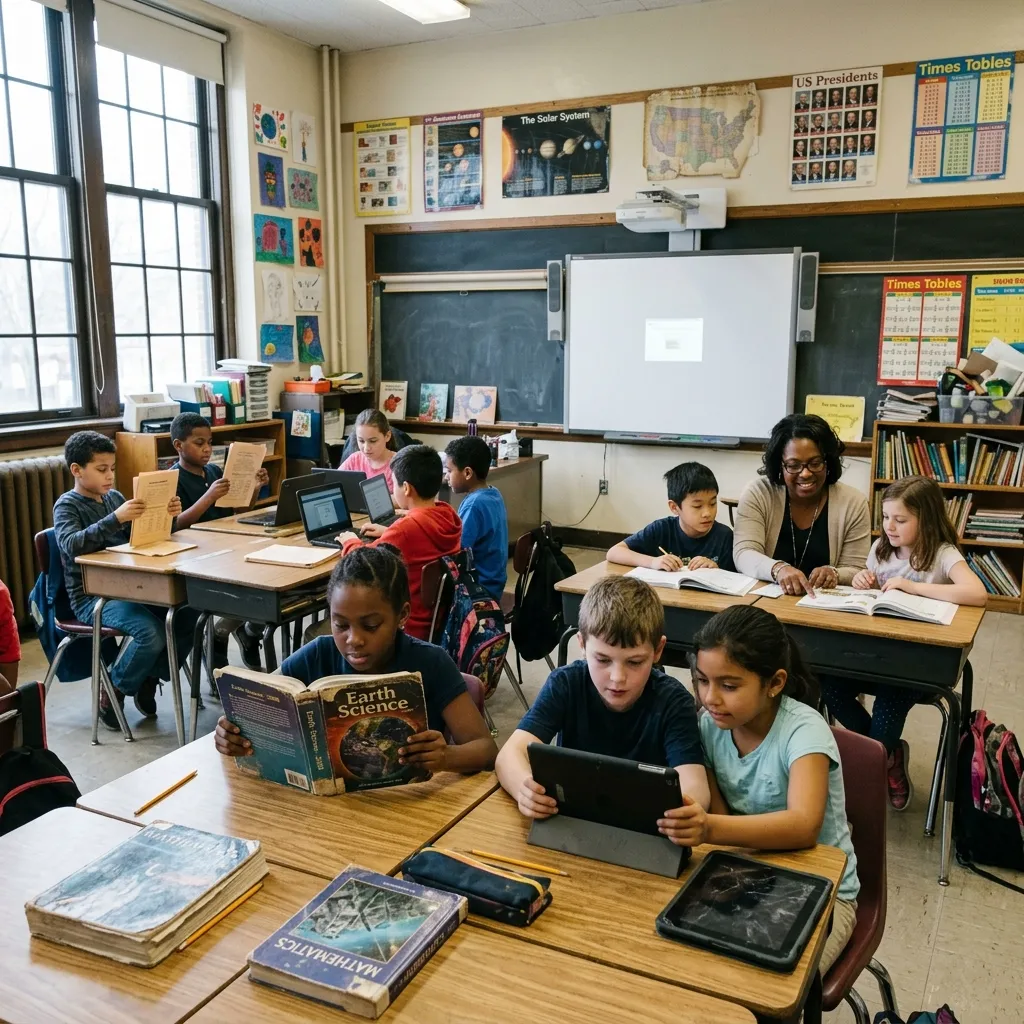
To understand the urgent need for new revenue streams, we must examine the challenges facing local public schools. For years, the state has struggled with educational funding shortfalls, leading to increased class sizes, outdated instructional materials, and a severe shortage of qualified educators. Teachers frequently operate with limited resources, spending their own money to equip classrooms and support disadvantaged students.
Furthermore, the modern educational environment demands more than just textbooks and standardized tests. Students today face unprecedented levels of anxiety, digital distraction, and social pressure. Schools are increasingly tasked with providing comprehensive mental health support, yet they lack the financial resources to hire adequate numbers of counselors, psychologists, and behavioral interventionists. The gap between student needs and available mental health resources continues to widen, creating an environment where academic achievement naturally suffers.
This systemic underfunding requires creative, sustainable solutions. Traditional funding mechanisms have proven insufficient to meet the evolving demands of 21st-century education. By earmarking tax receipts from a legalized oklahoma sports betting market specifically for educational enhancement, the state can bypass perennial budget battles and provide consistent, reliable support for holistic student development.
Transforming Education: The Calm and Focus Initiative
One of the most compelling proposals for utilizing oklahoma sports betting revenue involves creating statewide calm and focus initiatives. These programs integrate mindfulness practices, emotional regulation techniques, and trauma-informed care directly into the daily curriculum. Instead of solely focusing on punitive disciplinary measures, schools can adopt proactive strategies that teach students how to manage stress, sustain attention, and navigate complex social dynamics.
When children learn how to center their minds, the entire classroom environment transforms. Calm and focus programs reduce behavioral disruptions, lower suspension rates, and create a safer, more inclusive atmosphere for learning. Teachers spend less time managing classroom conflict and more time delivering high-quality instruction. This shift not only improves academic outcomes but also significantly enhances teacher job satisfaction and retention rates.
Funding these initiatives requires substantial investment. Schools need capital to train educators in mindfulness techniques, purchase specialized equipment, and develop comprehensive wellness curricula. Revenue derived from oklahoma sports betting could fully fund these educational funding initiatives, ensuring that every public school, regardless of its zip code, has the resources necessary to prioritize student mental health and cognitive development.
The Science Behind Mindfulness in the Classroom
Extensive psychological research supports the efficacy of mindfulness in educational settings. Regular practice of calm and focus exercises physically alters brain structures associated with memory, learning, and emotional regulation. Students who engage in daily breathing exercises or guided reflection demonstrate improved executive functioning, allowing them to process information more efficiently and respond to challenges with greater resilience.
Integrating these practices does not require overhauling the entire educational system. Simple interventions, such as a five-minute mindful breathing session at the start of the school day, yield measurable improvements in standardized test scores and student engagement. If oklahoma sports betting revenue were dedicated to this cause, schools could standardize these scientifically backed methods, providing a robust foundation for lifelong mental wellness.
Developing Specialized Sensory Spaces
A practical application of calm and focus funding involves the construction of specialized sensory rooms within schools. These spaces provide a quiet, visually soothing environment where overstimulated or anxious students can retreat to self-regulate. Equipped with soft lighting, weighted blankets, comfortable seating, and therapeutic tools, sensory rooms offer a safe haven for students experiencing emotional distress.
Building and maintaining these spaces requires dedicated capital. Traditional school budgets rarely accommodate such specialized infrastructure. By leveraging oklahoma sports betting tax dollars, districts can retrofit existing classrooms into state-of-the-art sensory environments. This tangible investment directly addresses the escalating mental health crisis among youth, demonstrating a profound commitment to inclusive and supportive education.
Comparison Table: Regional Wagering Frameworks
Analyzing how neighboring states handle wagering provides valuable context for structuring a successful local market.
|
Feature |
Current Local Landscape |
Regulated Neighboring States |
Proposed Future Framework |
|---|---|---|---|
|
Market Status |
Prohibited / Underground |
Fully operational and regulated |
Regulated via tribal partnerships |
|
Tax Revenue |
$0 |
Millions generated annually |
Earmarked for education & wellness |
|
Consumer Protection |
None (Offshore risks) |
Strict age/identity verification |
Robust responsible gaming protocols |
|
Mobile Access |
Illegal |
Geofenced state-wide apps |
Mobile platforms tied to retail casinos |
|
Economic Focus |
Capital flight out of state |
Infrastructure and general funds |
Dedicated calm and focus programs |
Common Mistakes to Avoid in Market Regulation
As the conversation surrounding oklahoma sports betting evolves, policymakers must navigate carefully to avoid common regulatory pitfalls. The most frequent mistake is establishing excessively high tax rates on operators. While the goal is to maximize state revenue, uncompetitive taxation forces licensed operators to offer poor odds to consumers. This drives bettors back to the illegal, untaxed offshore market, defeating the entire purpose of legalization. A balanced tax rate ensures operator viability, consumer participation, and consistent state revenue.
Another critical error is failing to incorporate existing tribal partners early in the legislative drafting process. The state’s gaming infrastructure is intrinsically linked to sovereign tribal nations. Any attempt to legalize oklahoma sports betting without honoring current compacts or providing clear avenues for tribal participation will result in immediate legal challenges and prolonged gridlock. Collaborative negotiations are essential for a smooth, mutually beneficial market rollout.
Finally, lawmakers must avoid the mistake of depositing new revenues into a general fund without strict oversight. When tax dollars enter a general fund, they are often diverted to plug various administrative holes rather than funding new, impactful programs. Legislation must explicitly mandate that a specific percentage of oklahoma sports betting revenue be placed in a protected trust dedicated solely to educational wellness and tax revenue allocation initiatives.
Pro Tips and Expert Insights for Stakeholders

For advocates pushing for the legalization of oklahoma sports betting, clear and transparent communication is paramount. Experts advise focusing public messaging on the tangible benefits of regulation rather than the mechanics of gambling. By illustrating exactly how the revenue will build sensory rooms, hire counselors, and implement calm and focus programs, advocates can garner support from demographics that traditionally oppose gambling expansion.
Industry analysts also recommend implementing a phased rollout strategy. Allowing retail wagering at established tribal casinos before expanding to statewide mobile platforms provides regulators time to test compliance systems and refine consumer protection protocols. This cautious approach mitigates risk, ensures technical stability, and builds public trust in the new regulatory framework.
Furthermore, educational leaders should begin developing comprehensive proposals for how they would utilize calm and focus funding before the legislation even passes. Having actionable, evidence-based blueprints ready demonstrates responsible stewardship of potential funds. When lawmakers see concrete plans for hiring behavioral specialists and improving student mental health, the argument for legalizing oklahoma sports betting becomes significantly more compelling.
The Path Forward
The debate over oklahoma sports betting is ultimately a conversation about community priorities and economic modernization. Acknowledging the reality of modern consumer behavior allows the state to capture vital revenue that is currently being lost. By meticulously crafting a regulatory environment that respects tribal sovereignty, protects vulnerable populations, and maximizes economic retention, the state can achieve unprecedented fiscal health.
The true transformative power of this initiative lies in its potential to revolutionize public education. Moving beyond basic funding needs, the strategic deployment of new tax dollars into calm and focus programs addresses the root causes of student disengagement and behavioral challenges. We have the opportunity to turn a recreational industry into a powerful engine for youth empowerment, mental wellness, and academic excellence.
As neighboring states continue to reap the benefits of regulated markets, the pressure to adapt will only intensify. Embracing oklahoma sports betting with a clear, education-centric vision ensures that the resulting financial windfall creates lasting, generational impact. It is a bold step toward a more resilient, focused, and prosperous future for all residents.
Conclusion
The legalization of oklahoma sports betting represents a critical opportunity to capture lost economic value and redirect it toward transformative public initiatives. By channeling new tax revenues into educational calm and focus programs, the state can profoundly improve student mental health, classroom behavior, and academic success. We encourage community members, educators, and lawmakers to collaborate on forward-thinking legislation that prioritizes youth development, honors tribal partnerships, and embraces responsible market regulation.
FAQs
1. Is it currently legal to participate in online sports wagering within the state?
No, operating or using traditional online sportsbooks remains illegal under current state law. Residents currently have no regulated domestic options for mobile wagering, though the topic is under heavy legislative review.
2. How could regulating the market directly benefit local public schools?
Legalizing the market would generate millions in tax revenue. Advocates propose dedicating these funds to education, specifically to finance calm and focus programs, hire behavioral counselors, and build sensory spaces for students.
3. What role do tribal nations play in the potential legalization?
Tribal nations hold exclusive gaming rights through established compacts. Any future legal framework for oklahoma sports betting must be negotiated collaboratively with tribal leaders to ensure their facilities can operate sportsbooks legally and profitably.
4. Why is there a specific focus on “calm and focus” educational programs?
Modern students face severe anxiety and digital distractions that hinder learning. Calm and focus programs teach emotional regulation and mindfulness, which research shows directly improves academic performance and reduces classroom disruptions.
5. What happens to the money Oklahomans currently spend on sports wagers?
Because there is no regulated domestic market, millions of dollars currently flow out of the state to neighboring jurisdictions where betting is legal, or to illegal offshore platforms that do not pay local taxes.
6. Will legalizing this industry increase the risk of problem gambling?
While increased access presents challenges, a regulated market legally mandates consumer protections, strict age verification, and dedicated funding for problem gambling treatment—resources that are completely absent in the current unregulated black market.
7. What is a sensory room, and how does it help students?
A sensory room is a specially designed, calming space within a school equipped with therapeutic tools like soft lighting and weighted blankets. It helps overstimulated or anxious students self-regulate their emotions and return to learning safely.
8. How much tax revenue is the state projected to make from a regulated market?
While estimates vary based on the final tax rate and market structure, economists project that a fully operational mobile and retail market could generate tens of millions of dollars in new tax revenue every year.
9. What are the main arguments against legalizing sports wagering?
Opponents often argue that state-sanctioned gambling constitutes a moral hazard, potentially exacerbating financial struggles for low-income families and leading to increased rates of addiction among young adults.
10. How can citizens support the funding of calm and focus programs through market regulation?
Citizens can contact their state representatives to voice support for legislation that pairs oklahoma sports betting regulation with strict mandates that allocate the resulting tax revenues exclusively to educational wellness initiatives.