


Welcome to the innovative world where betting card games reshape how students learn. By combining strategy with probability, learners develop unparalleled focus and cognitive resilience in dynamic educational environments.
This comprehensive guide explores how betting card games revolutionize modern education. We delve into the psychological benefits, mathematical applications, and emotional regulation techniques these games foster. By implementing structured game-based learning, educators can cultivate deep focus, analytical thinking, and lifelong resilience in their students.
The Evolution of Game-Based Learning
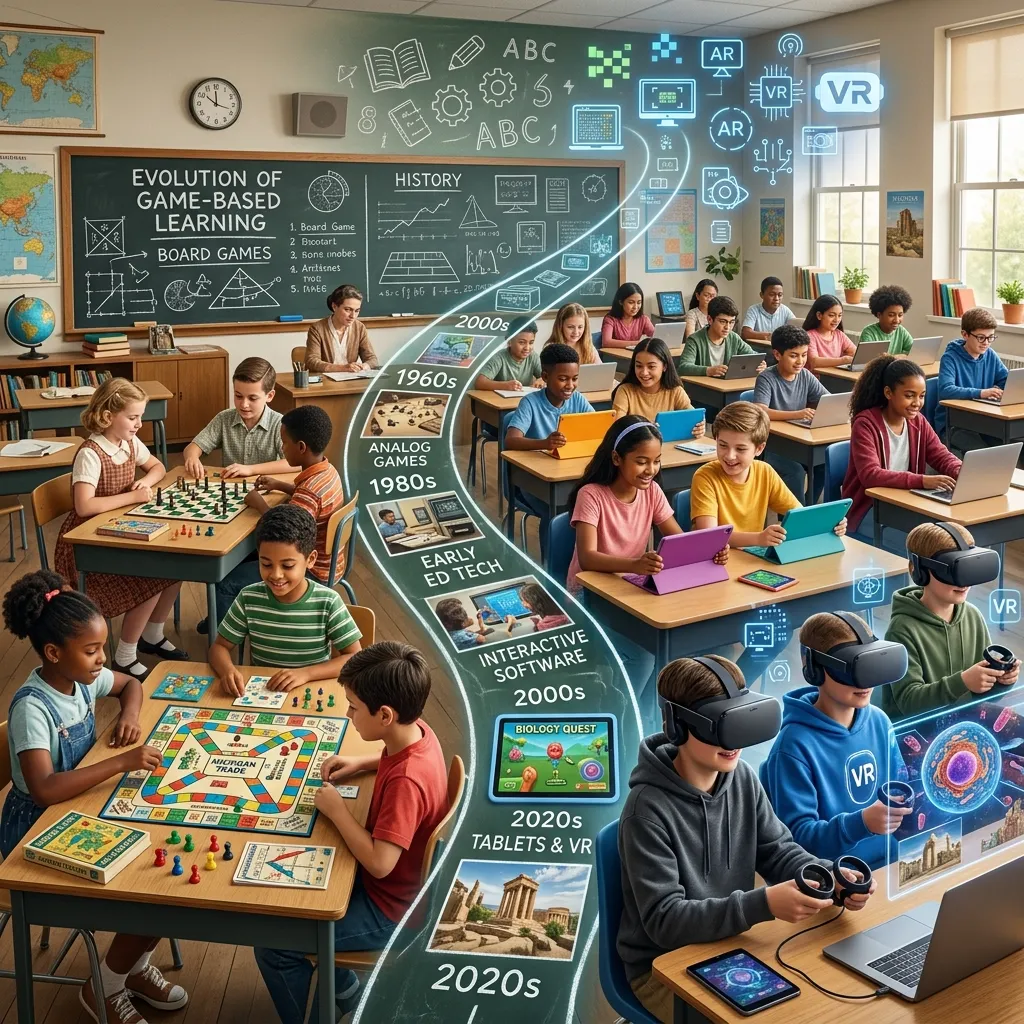
The traditional educational model frequently struggles to keep students engaged, especially when teaching complex topics like statistics, probability, and risk assessment. Standard lectures and repetitive worksheets often fail to capture the imagination of modern learners. To bridge this gap, educators are increasingly turning to betting card games as a powerful, interactive teaching tool. When utilized correctly in a controlled, non-financial environment, betting card games transform abstract mathematical concepts into tangible, high-stakes scenarios that demand active participation.
Students who engage with betting card games are required to process information rapidly, make decisions under pressure, and calculate probabilities on the fly. This dynamic approach to learning shifts the educational paradigm from passive reception to active cognitive engagement. By navigating the strategic complexities of betting card games, learners develop a robust framework for critical thinking that applies far beyond the confines of the classroom. They learn to evaluate risk, anticipate competitor behavior, and understand the mathematical foundation of everyday decisions.
Cognitive Benefits and Neurological Development
The human brain thrives on interactive challenges. Betting card games provide an ideal stimulus for neurological development, engaging multiple cognitive functions simultaneously. When a student plays these games, their working memory is continuously taxed as they track discarded cards, calculate pot odds, and monitor opponent tendencies. This intense mental juggling strengthens neural pathways associated with executive function and problem-solving.
Moreover, betting card games introduce the concept of expected value in a highly practical format. Instead of memorizing statistical formulas, students experience the immediate consequences of their mathematical choices. This immediate feedback loop accelerates learning. When a student makes a mathematically sound decision in betting card games and still loses due to natural variance, they learn a profound lesson about the nature of probability. They understand that a correct process does not always guarantee a successful short-term outcome, fostering academic resilience and analytical maturity.
Emotional Regulation and Finding Calm
Perhaps the most significant benefit of integrating betting card games into education is the development of emotional regulation. In these games, players constantly face high-pressure situations. They must manage the frustration of bad luck, the excitement of a strong hand, and the anxiety of risking their accumulated points. Learning to maintain a calm and focused demeanor during these emotional fluctuations is a critical life skill.
By practicing betting card games, students learn to detach their self-worth from immediate results. They recognize that emotional outbursts or impulsive decisions inevitably lead to poor strategic choices. Educators can use these moments to discuss psychological concepts, teaching students how to identify their emotional triggers and implement calming techniques. The ability to remain tranquil and focused during betting card games directly translates to improved performance during stressful academic examinations and real-world challenges. This emotional fortitude is a cornerstone of advanced psychological resilience.
Mathematics, Probability, and Statistical Variance

At their core, betting card games are applied mathematics. They represent a living laboratory for teaching fractions, percentages, combinatorics, and statistical variance. When students learn math through the lens of betting card games, the subject matter becomes deeply relevant and highly engaging.
For example, calculating the odds of drawing a specific card to complete a sequence requires a firm grasp of fractional math. Determining whether a potential reward justifies a specific risk introduces the concept of risk-to-reward ratios. Betting card games teach students how to calculate implied odds and expected value, translating abstract numbers into actionable strategies. According to research on active learning by the National Council of Teachers of Mathematics, students who apply math in gamified scenarios show significantly higher retention rates and a deeper conceptual understanding.
Strategic Thinking and Cognitive Flexibility
Betting card games require players to constantly adapt their strategies based on incomplete information. Unlike chess, where all pieces are visible on the board, these games involve hidden variables. This uncertainty forces students to develop cognitive flexibility. They must formulate a primary plan while simultaneously preparing secondary and tertiary backup strategies.
This strategic depth is invaluable in an educational setting. When students navigate the complexities of betting card games, they learn to analyze patterns, recognize behavioral tells, and adjust their tactics dynamically. They practice deductive reasoning, piecing together clues to infer the hidden cards held by their opponents. This type of analytical thinking is essential for success in STEM fields, debate, and complex problem-solving scenarios. Incorporating active learning methodologies ensures that students remain adaptable and forward-thinking.
Implementing the Methodology in the Classroom
Integrating betting card games into a formal curriculum requires careful planning and clear boundaries. Educators must ensure that the focus remains entirely on the mathematical and psychological lessons, strictly avoiding any association with actual gambling. The currency used should always be academic points, generic tokens, or fictional values.
The implementation process should begin with foundational games that teach basic addition and simple probability. As students master these concepts, educators can introduce more complex betting card games that require multi-layered strategic planning and advanced statistical analysis. Each gaming session must be followed by a comprehensive debriefing period. During this time, students should articulate the reasoning behind their decisions, calculate the exact odds of specific scenarios they encountered, and reflect on their emotional responses during the game.
Comparison Table: Traditional Instruction vs. Game-Based Learning
|
Educational Feature |
Traditional Classroom Instruction |
Learning via betting card games |
|---|---|---|
|
Student Engagement |
Often passive, relies on lecture listening |
Highly active, participatory, and immersive |
|
Mathematical Application |
Theoretical, abstract textbook exercises |
Practical, immediate, and consequence-driven |
|
Response to Failure |
Viewed negatively, associated with low grades |
Viewed as variance, a learning opportunity |
|
Emotional Development |
Rarely addressed as a primary subject |
Core component required for gameplay success |
|
Focus and Concentration |
Requires external motivation and discipline |
Driven by internal strategy and competition |
Common Mistakes to Avoid
While betting card games offer immense educational value, improper implementation can undermine their benefits. Educators must be vigilant to avoid these common pitfalls:
- Losing the Academic Focus: The primary goal is education. Do not allow the excitement of the game to overshadow the mathematical and strategic lessons. Ensure that statistical analysis remains the central focus.
- Using Real Currency: This is an absolute rule. Never use real money. Using actual currency introduces financial stress and transforms an educational tool into inappropriate gambling. Always use generic chips or point systems.
- Skipping the Post-Game Analysis: Playing the game is only half the lesson. Failing to conduct a structured debriefing session deprives students of the opportunity to analyze their mathematical calculations and strategic decisions.
- Ignoring Emotional Outbursts: Betting card games can be competitive. Educators must actively monitor the classroom and intervene if students become overly frustrated or aggressive, using these moments to teach emotional regulation.
Pro Tips and Expert Insights
To maximize the educational impact of betting card games, experts recommend integrating cross-disciplinary lessons. Do not limit the games to mathematics classes. Use them in psychology courses to discuss behavioral economics, cognitive biases, and decision fatigue. Use them in history classes to explore the cultural evolution of probability theory.
Furthermore, encourage students to design their own betting card games. Creating a new game requires a profound understanding of mathematical balance, fairness, and strategic depth. When students develop their own rules and probability structures, they demonstrate a master-level comprehension of the material. This creative exercise reinforces the analytical skills learned during gameplay and fosters a deep, intrinsic motivation to understand complex systems. For deeper insights into behavioral economics, educators frequently reference frameworks outlined by the American Psychological Association.
Fostering Collaborative Learning and Social Skills

While betting card games are inherently competitive, they also foster significant collaborative learning opportunities. When educators structure these games as team-based exercises, students must communicate complex mathematical concepts to their peers, negotiate strategic approaches, and reach a consensus under time constraints.
This collaborative environment mirrors professional workspaces where teams must analyze data and make collective decisions involving risk and uncertainty. Students learn how to articulate their reasoning clearly, listen to alternative viewpoints, and support their teammates through statistical variance. The social dynamics of betting card games teach invaluable lessons in sportsmanship, grace under pressure, and mutual respect, deeply enhancing the overall educational experience. Integrating collaborative learning structures ensures that the benefits of the game extend beyond individual cognitive development.
The Future of Gamified Education
As educational technology continues to evolve, the integration of betting card games is expanding into digital realms. Software programs and educational apps are now capable of running millions of simulated hands, allowing students to test their strategic theories against complex algorithms. This intersection of traditional card games and modern computer science opens new frontiers for learning.
Students can write code to build probability calculators, design artificial intelligence bots that play betting card games, and analyze massive datasets to identify optimal strategies. By bridging the gap between a physical deck of cards and advanced programming, educators provide a comprehensive, multi-disciplinary learning experience that prepares students for the analytical demands of the future workforce.
Conclusion
The strategic integration of betting card games into educational frameworks represents a powerful shift in pedagogical methodology. By transforming abstract mathematical and psychological concepts into interactive, high-stakes challenges, educators cultivate deep analytical thinking, emotional resilience, and sustained focus. When implemented thoughtfully and strictly utilizing non-financial academic tokens, betting card games equip students with the practical problem-solving skills and calm cognitive flexibility necessary to thrive in an increasingly complex world.
Frequently Asked Questions
How do betting card games enhance a student’s mathematical abilities?
These games require continuous, real-time calculations involving fractions, percentages, combinatorics, and probability. Students practice these advanced mathematical skills naturally in order to succeed in the game, making the learning process highly practical, relevant, and immediately rewarding.
Is it appropriate to use betting card games within a formal school setting?
Yes, provided strict guidelines are followed and no real money is ever used. Educators utilize academic tokens, grades, or imaginary points to simulate value. The focus remains strictly on the mathematical formulas, strategic planning, and psychological mechanics, treating the games as complex cognitive puzzles rather than gambling.
What specific psychological skills do students learn from these games?
Students learn vital emotional regulation, patience, and mental resilience. Players must learn to manage the stress of high-pressure situations, conceal their emotional responses, and accept mathematical variance without becoming angry or discouraged by short-term setbacks.
How do betting card games contribute to improved student focus?
Because these games involve perceived stakes and immediate consequences for every decision, they naturally command a highly elevated level of attention. This consistent engagement trains the brain to enter a state of deep concentration or “flow,” a valuable skill that easily transfers to academic studying and testing.
What is the best method for introducing these games to a classroom?
Start with straightforward games that emphasize basic addition and simple probability. Clearly define the educational objectives before the game begins, and always follow the gameplay with a highly structured debriefing session to critically analyze the math and strategies deployed by the students.
Can betting card games be used to teach computer science concepts?
Absolutely. Advanced students can use betting card games as a foundational baseline to write complex code for probability calculators, develop artificial intelligence opponents, and run Monte Carlo simulations, perfectly bridging the gap between strategic gaming and software programming.
How do educators prevent students from becoming overly competitive or frustrated?
Educators must clearly frame the games as analytical and mathematical exercises. Establish strict classroom rules regarding sportsmanship, and proactively use any moments of frustration as valuable teaching opportunities to discuss emotional regulation, statistical variance, and psychological control.
What exactly is variance, and why is it an important educational lesson?
Variance is the mathematical difference between expected outcomes and actual short-term results. Teaching this concept through betting card games helps students deeply understand that a brilliant strategy might occasionally fail due to luck, which builds profound academic resilience and prevents discouragement during difficult learning periods.
Do these games provide benefits for students who struggle with traditional learning methods?
Yes. Hands-on, highly interactive learning often reaches students who disengage during traditional, passive lectures. The immediate feedback loop and tangible consequences of betting card games provide a dynamic, highly effective alternative for kinesthetic, visual, and experiential learners.
How do betting card games differ from regular educational board games?
They introduce the advanced concepts of risk assessment, resource management, and operating with incomplete information. Unlike games with perfect open information, these games require students to make critical decisions based on probability calculations and psychological reads, which closely mirrors real-world adult decision-making.