

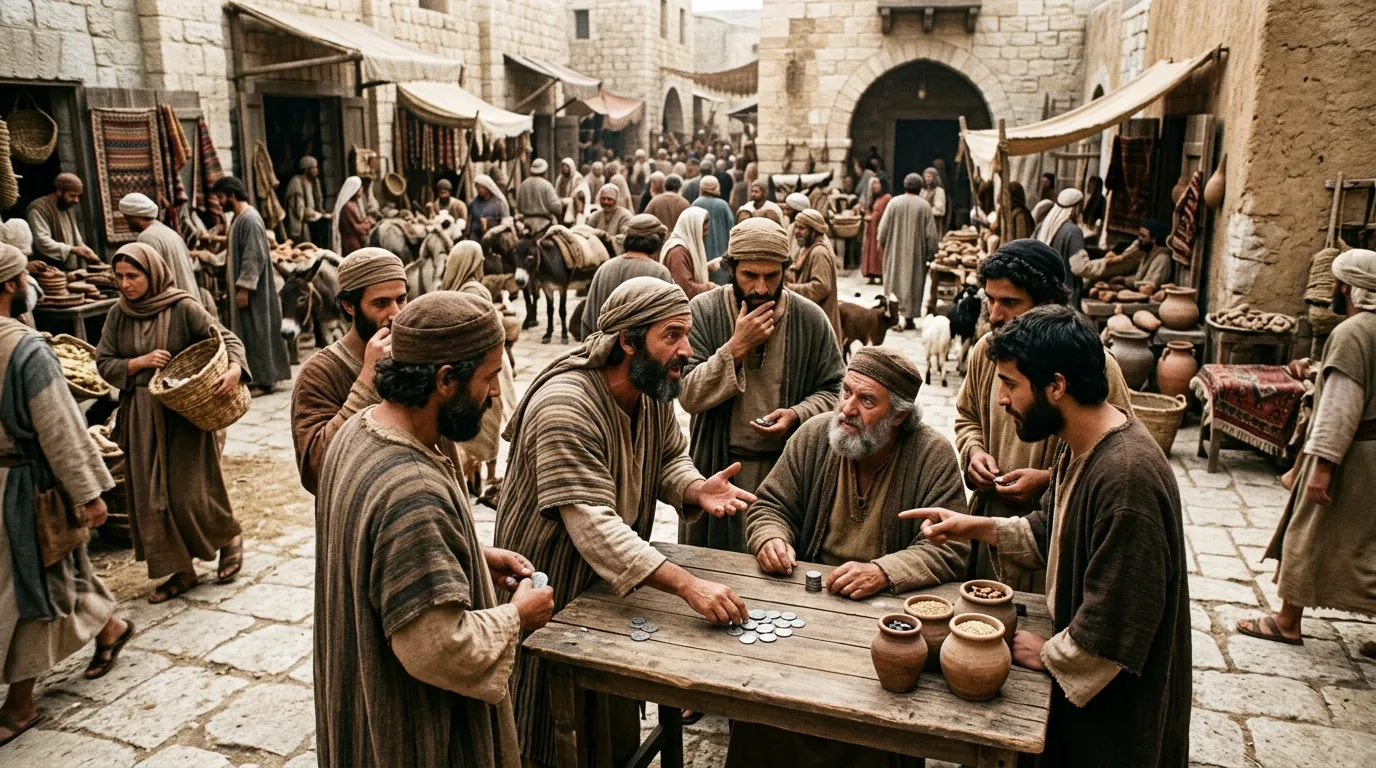
Understanding betting in bible requires a calm, focused approach to scripture. This guide transforms how you view biblical ethics, wealth management, and spiritual discipline.
This comprehensive article explores what scripture says about games of chance, wealth management, and ethical living. By examining key verses and theological principles, you will gain practical insights to navigate modern financial decisions while maintaining a strong, focused spiritual foundation.
The Foundation of Betting in Bible
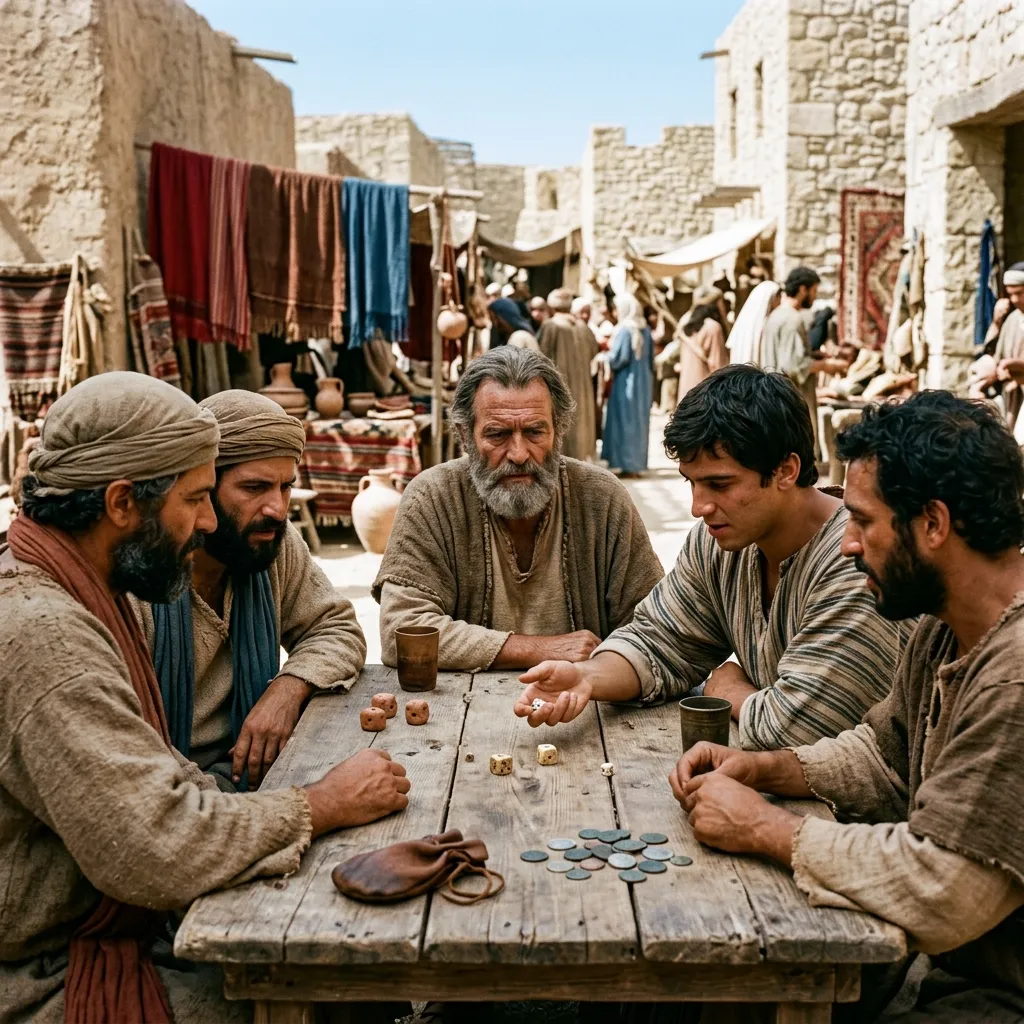
When people search for direct commandments regarding betting in bible, they often find that scripture does not use modern terminology. Instead of a simple “thou shalt not,” the text provides a robust framework of principles that guide human behavior, financial stewardship, and our trust in divine providence. Transforming your education on this topic requires moving past surface-level readings and diving deep into the historical and cultural context of the ancient world. This analytical approach brings a profound sense of calm and focus, allowing you to make ethical decisions grounded in timeless wisdom.
During biblical times, people frequently engaged in a practice known as casting lots. This practice might look like a game of chance to a modern observer, but its underlying purpose differed vastly from modern wagering. The ancients used lots to determine the will of God in specific situations. For example, Joshua cast lots to apportion the Promised Land among the tribes of Israel. Later, the remaining apostles cast lots to choose Matthias as the replacement for Judas. In these historical contexts, participants were not risking capital to win a massive payout; they were surrendering their human decision-making processes to divine sovereignty.
Understanding this distinction is vital for a clear, focused biblical education. Proverbs 16:33 states that while the lot is cast into the lap, its every decision comes from the Lord. This verse highlights that what appears to be random chance is actually under divine control. When you study Bible study methods, you learn to differentiate between historical descriptions of cultural practices and prescriptive commands for modern financial behavior. Modern wagering operates on mathematical probability designed to enrich the house while impoverishing the participant, a concept entirely foreign to the biblical practice of seeking God’s guidance through lots.
The Illusion of Quick Riches
One of the most prominent themes addressing financial behavior is the severe warning against the desire to get rich quickly. Proverbs 28:20 promises that a faithful person will abound with blessings, but whoever hastens to be rich will not go unpunished. The drive for instant wealth lies at the heart of the modern wagering industry. Whether buying a lottery ticket or placing a sports wager, the participant hopes to bypass the standard, biblical model of diligent labor and careful stewardship.
A focused study of Proverbs reveals that wealth gained hastily dwindles, whereas wealth gathered little by little increases. This principle highlights the value of patience, hard work, and discipline. The psychological thrill of a potential jackpot often disrupts spiritual calm, replacing it with anxiety, greed, and a relentless craving for more. Educating yourself on these principles helps you recognize the emotional traps designed by the gaming industry. It shifts your focus from the fleeting promise of unearned wealth to the enduring value of faithful, consistent labor.
Stewardship and Trusting God
At its core, the discussion surrounding financial choices is a discussion about stewardship. A foundational Christian belief is that God owns everything, and humans are merely managers of His resources. When you manage your finances according to Christian financial planning principles, you acknowledge your responsibility to use resources wisely for your family, your community, and your faith.
Risking these entrusted resources on statistically improbable outcomes contradicts the mandate of careful stewardship. Furthermore, Jesus explicitly taught in Matthew 6:24 that no one can serve two masters. You cannot serve both God and money. The intense emotional investment required by games of chance often elevates money to an idol, displacing God from the center of your life. Finding calm and focus requires you to trust God as your sole provider. When you look to a lottery ticket or a casino for your financial breakthrough, you implicitly declare a lack of trust in God’s daily provision and sovereign care.
Ethical Considerations and Loving Your Neighbor

The biblical mandate to love your neighbor as yourself serves as another crucial lens for evaluating financial choices. The modern gaming industry operates as a zero-sum environment. For one person to experience a massive financial windfall, thousands or even millions of other people must lose their money. Often, those who lose are the most economically vulnerable members of society.
Studies consistently show that lower-income individuals spend a disproportionate amount of their income on lottery tickets and similar ventures. Engaging in an activity funded by the losses and exploitation of the poor directly contradicts the biblical command to protect and uplift the marginalized. The prophets of the Old Testament fiercely condemned those who exploited the poor for personal gain. A robust education in social ethics demands that you consider the broader societal impact of your financial activities.
When you adopt a focused, educated perspective, you realize that your financial decisions do not occur in a vacuum. Supporting an industry that routinely destroys families, fuels addiction, and preys on desperation aligns poorly with the call to demonstrate Christ-like love. You can find comprehensive data on the societal impact of these industries through organizations like the National Council on Problem Gambling, which highlights the severe emotional and financial toll that compulsive wagering takes on communities.
Evaluating Modern Games of Chance Through a Biblical Lens
When applying the teachings of scripture to contemporary issues, you must look at the underlying motivations and outcomes. The Apostle Paul warned in 1 Timothy 6:10 that the love of money is a root of all kinds of evil. This powerful verse warns that the craving for wealth can cause people to wander from the faith and pierce themselves with many griefs.
The industry surrounding games of chance survives solely by stimulating this exact love of money. It relies on bright lights, psychological triggers, and the false promise of an easy life to keep participants engaged. A calm, educated mind recognizes these tactics for what they are: sophisticated methods designed to exploit human vulnerability. By focusing your mind on spiritual growth rather than material accumulation, you protect yourself from the anxiety and ruin that Paul describes.
To clarify the differences between biblical practices and modern wagering, consider the following structured analysis.
Comparison Table: Biblical Casting of Lots vs. Modern Wagering
|
Feature |
Biblical Casting of Lots |
Modern Wagering Industry |
|---|---|---|
|
Primary Purpose |
Discerning God’s will |
Personal financial enrichment |
|
Beneficiary |
The community or the individual seeking guidance |
The commercial operator (the house) |
|
Core Motivation |
Submission to divine sovereignty |
The love of money and quick riches |
|
Societal Impact |
Maintained order and resolved disputes |
Often leads to addiction and financial ruin |
|
Financial Risk |
No capital risked for a payout |
Capital systematically risked against the odds |
This table clearly illustrates that historical practices cannot justify modern financial speculation. Transforming your education means looking at the data objectively and understanding the profound ethical divide between seeking God’s will and seeking unearned wealth.
Pro Tips and Expert Insights for Biblical Financial Health
Achieving calm and focus in your financial life requires proactive, intentional steps. By applying expert insights drawn from scripture, you can transform your approach to wealth and security.
- Practice radical contentment: Hebrews 13:5 urges believers to keep their lives free from the love of money and to be content with what they have. Contentment acts as a shield against the deceptive marketing of the gaming industry.
- Develop a disciplined budget: Creating a clear financial plan allows you to direct your resources intentionally. When you assign every dollar a purpose, you eliminate the idle funds that often tempt people into impulsive, speculative spending.
- Embrace the value of hard work: Recognize that God designed humanity to engage in productive labor. Viewing your work as a vocational calling rather than just a paycheck helps you find joy in the process of steady, diligent accumulation.
- Cultivate a generous spirit: The antidote to greed is generosity. When you actively give to your local church, charitable organizations, and those in need, you break the psychological grip that money holds over your heart. Generous giving transforms your focus from what you can accumulate to what you can contribute.
Common Mistakes to Avoid When Interpreting Scripture on Wealth

Even well-intentioned individuals can misinterpret the text when seeking justification for their financial habits. Avoiding these common mistakes ensures that your education remains rigorous, objective, and spiritually healthy.
- Cherry-picking verses: Pulling isolated verses out of context to justify speculative behavior ignores the overarching biblical narrative regarding stewardship and contentment. Always read verses within their broader historical and theological context.
- Ignoring cultural nuances: Assuming that ancient practices like casting lots are perfectly analogous to placing a bet on a sports game demonstrates a failure to grasp historical realities.
- Rationalizing small amounts: Many people argue that risking insignificant amounts of money for entertainment is harmless. However, this rationalization often ignores the fundamental principle that you are financially supporting an industry built on the exploitation of others.
- Separating faith from finances: Believing that God cares about your spiritual life but not your bank account is a critical error. Scripture addresses money more frequently than almost any other topic because your financial decisions accurately reflect your deepest spiritual priorities.
Finding Calm and Focus in Spiritual Discipline
The ultimate goal of exploring these texts is not simply to create a list of prohibited activities. The goal is to cultivate a deep, abiding sense of calm and focus in your spiritual life. When you detach your emotional well-being from the unpredictable fluctuations of financial speculation, you experience profound peace. You no longer ride the exhausting emotional rollercoaster of hoping for a lucky break. Instead, you rest in the confident assurance that the Creator of the universe knows your needs and provides for them according to His perfect wisdom.
This transformation requires continuous education and dedicated spiritual disciplines. Spending regular time in prayer, studying the text, and participating in a supportive community helps reinforce these healthy financial habits. You learn to view money as a tool for blessing rather than a source of ultimate security. By embracing this focused mindset, you empower yourself to make decisions that honor God, protect your family, and benefit your neighbors.
Conclusion
Studying betting in bible reveals clear, timeless principles about stewardship, contentment, and trusting God over quick wealth. Applying these profound truths brings remarkable peace and clarity to your financial journey. Commit to focused spiritual growth today, study the text diligently, and purposefully align your resources with your faith for a truly transformative, life-giving experience.
FAQs
Does the scripture explicitly say that gambling is a sin?
The text does not use the specific word to condemn the practice outright. However, it strongly condemns the love of money, greed, and the desire to get rich quickly, which are the foundational motivations behind modern wagering.
What does the text mean by “casting lots”?
Casting lots was an ancient method used to make decisions or discern God’s will, similar to drawing straws. It was not a method for financial gain, but rather a way to surrender human choices to divine sovereignty.
Can a Christian buy a lottery ticket for fun?
While some argue it is merely entertainment, buying a lottery ticket still supports an industry that relies on the “get rich quick” mentality. It also conflicts with principles of wise financial stewardship and avoiding the appearance of greed.
How does wagering violate the command to love your neighbor?
Modern games of chance are zero-sum activities. In order for one person to win a large payout, thousands of others must lose their money. Participating in this system relies on the financial losses and often the exploitation of vulnerable individuals.
What does the text say about wealth accumulation?
Proverbs teaches that wealth gained hastily will dwindle, but wealth gathered little by little through diligent labor will increase. The emphasis is consistently on hard work, patience, and careful management.
Is it wrong to invest in the stock market if wagering is discouraged?
Investing typically involves providing capital to companies to help them grow, which creates jobs and goods, resulting in shared economic benefit. Wagering simply transfers wealth based on random chance without creating any underlying economic value.
How can I overcome a strong desire to get rich quickly?
Cultivating gratitude and practicing radical contentment are the best defenses. Regularly giving your money to charitable causes also breaks the psychological grip of greed and redirects your focus toward helping others.
Why did the Roman soldiers cast lots for Jesus’ clothing?
The soldiers cast lots to divide Jesus’ seamless tunic without tearing it. This historical event, recorded in the Gospels, fulfilled the ancient prophecy found in Psalm 22:18, demonstrating God’s sovereign control even during the crucifixion.
What does the text say about trusting God for our provision?
Jesus taught in the Sermon on the Mount that believers should not be anxious about what they will eat or wear. He emphasized that God knows our needs and will provide for us if we seek His kingdom first, eliminating the need for desperate financial speculation.
How should I handle a friend or family member struggling with a wagering addiction?
Approach them with grace and love, avoiding harsh judgment. Encourage them to seek professional counseling, attend support groups, and rely on their faith community for accountability and spiritual focus during their recovery journey.