The potential legalization of hawaii sports betting presents an unprecedented chance to reshape our schools. By directing new tax revenues toward mental health and mindfulness programs, we can help students develop the essential focus required for academic excellence and long-term personal success.
The Intersection of Economic Policy and Educational Funding

When lawmakers and citizens discuss hawaii sports betting, the conversation typically revolves around regulatory frameworks, offshore prediction markets, and consumer protection. However, a deeper analysis reveals a much larger opportunity for profound community enrichment. As the state navigates the complexities of potentially legalizing and regulating wagering, the resulting financial windfall can be strategically directed toward funding educational initiatives. By prioritizing mental well-being and cognitive focus, schools can create environments where students truly thrive.
The modern classroom is increasingly filled with digital distractions, social stress, and performance anxiety. Educators are constantly searching for innovative ways to introduce emotional regulation into their daily routines. The financial resources generated by a legalized hawaii sports betting market could provide the necessary capital to train teachers, hire specialized counselors, and build dedicated spaces for relaxation and mindfulness. We are moving beyond buying traditional textbooks; we are investing in the psychological infrastructure of our youth.
Understanding the Current Landscape in the Aloha State
Currently, the Aloha State maintains some of the strictest gambling laws in the United States. While platforms like prediction markets operate in a legal gray area, traditional hawaii sports betting remains prohibited. However, the economic pressures of modern governance and the desire to fund critical public services have sparked ongoing legislative debates.
The Legislative Push and Economic Potential
Each legislative session brings new proposals aimed at capturing the lost revenue currently flowing to unregulated offshore markets. Proponents argue that by establishing a legal framework for hawaii sports betting, the state can generate millions of dollars annually. This is not merely about expanding entertainment options; it is about capturing economic value that can be directly applied to our most pressing societal needs, namely student mindfulness initiatives.
According to experts at the American Gaming Association, regulated markets provide a stable stream of government revenues. If these funds are earmarked for education, the state can address critical shortfalls in school budgets, specifically targeting programs that promote calm, focus, and emotional resilience among students.
Prediction Markets vs. Traditional Sportsbooks
While traditional sportsbooks are currently unavailable, platforms like Kalshi and Novig have introduced prediction markets to residents. These platforms allow users to trade contracts on specific outcomes. However, the taxation and revenue sharing from these models differ significantly from a fully regulated hawaii sports betting ecosystem. Transitioning to a comprehensive, legal market would drastically increase the taxable base, providing a much larger pool of resources to fund educational infrastructure.
The Crisis of Distraction in Modern Classrooms
To understand why funding from hawaii sports betting is so critical, we must examine the current state of our educational system. Students today are facing an unprecedented crisis of distraction. The proliferation of smartphones, social media, and constant connectivity has severely diminished the average student’s attention span.
Teachers report that a significant portion of their instructional time is spent managing behavioral issues and attempting to refocus distracted students. This environment is not conducive to deep learning or critical thinking. Traditional funding models, reliant primarily on property taxes and federal grants, are often insufficient to address these modern psychological challenges. This is where the innovative application of revenue from hawaii sports betting comes into play. By injecting new capital specifically targeted at mindfulness and focus, we can equip students with the cognitive tools they need to navigate a hyper-connected world.
How Revenue Can Transform Student Mindfulness

If lawmakers succeed in legalizing hawaii sports betting, the resulting tax revenue must be allocated with precision and foresight. Investing in student mindfulness is not a theoretical concept; it involves tangible, evidence-based programs that require consistent funding.
Funding Sensory Rooms
One of the most effective ways to utilize revenue from hawaii sports betting is the creation of physical safe spaces within schools. These sensory rooms are designed with soft lighting, comfortable seating, weighted blankets, and noise-canceling features. When a student feels overwhelmed, anxious, or unable to concentrate, they can retreat to this space to regain their composure. This proactive approach significantly reduces behavioral disruptions and fosters a more harmonious school environment.
Teacher Training and Professional Development
You cannot foster calm and focus in students without equipping educators with the proper skills. A portion of the hawaii sports betting revenue must be dedicated to intensive professional development. Teachers need comprehensive training in social-emotional learning, trauma-informed care, and mindfulness facilitation. When educators are calm, centered, and knowledgeable about emotional regulation, they transfer those qualities to their students, creating a ripple effect of focus throughout the entire school.
Comparing Funding Models for Educational Initiatives
To fully grasp the potential impact of hawaii sports betting, we must compare it to existing revenue streams.
|
Funding Source |
Flexibility for Mental Health |
Sustainability |
Impact on Student Well-being |
|---|---|---|---|
|
Traditional Property Taxes |
Low (Tied to basic infrastructure) |
High |
Moderate |
|
Federal Grants |
Medium (Highly restricted) |
Low (Subject to budget cuts) |
High (If properly targeted) |
|
hawaii sports betting |
High (Can be legislatively earmarked) |
Moderate to High |
Very High (Customizable for mindfulness) |
As the table illustrates, the flexibility of funds from hawaii sports betting allows for targeted, high-impact investments in mental health curriculum that traditional tax revenues often cannot support due to bureaucratic red tape and competing infrastructural demands.
Actionable Strategies for Implementing Focus Programs
Translating the financial gains of hawaii sports betting into actionable classroom strategies requires deliberate planning and execution. School districts must adopt a structured approach to ensure the funds generate maximum return on investment.
Integrating Daily Quiet Periods
Schools should utilize the new funding to integrate daily quiet periods into the curriculum. These are short, five-to-ten-minute sessions where students engage in deep breathing, progressive muscle relaxation, or guided imagery. The capital from hawaii sports betting can cover the costs of developing these specialized curriculums and purchasing guided meditation software for classrooms.
Cognitive Behavioral Approaches
Another actionable strategy involves integrating cognitive-behavioral techniques into daily instruction. By funding specialized school psychologists through hawaii sports betting revenues, schools can provide targeted interventions for students struggling with severe focus issues. These professionals can teach students how to identify distracting thoughts, reframe negative emotions, and apply specific techniques to anchor their attention to the present moment.
Common Mistakes to Avoid When Allocating Revenue
While the potential influx of capital from hawaii sports betting is exciting, there are several pitfalls that state legislators and school boards must actively avoid to ensure success:
- Allocating funds solely to athletic facilities rather than prioritizing holistic student well-being and mental health.
- Applying temporary, bandage fixes instead of creating sustainable, long-term mindfulness programs.
- Failing to collaborate directly with educators and child psychologists when deciding how the funds from hawaii sports betting are utilized.
- Ignoring the critical importance of ongoing teacher training in emotional intelligence.
- Distributing resources unequally among different school districts, leaving marginalized or rural communities without adequate support.
Avoiding these common mistakes ensures that the economic benefits of hawaii sports betting are felt equitably across the state, creating a unified standard for educational excellence and student support.
Expert Insights on Long-Term Sustainability

Financial analysts and educational psychologists agree that unrestricted state funds should be applied to areas with the highest long-term societal return on investment. According to experts in public finance, the capital brought in by hawaii sports betting has the immense potential to alter the trajectory of underfunded school districts.
“When we look at the revenue models for newly legalized markets, we see a highly sustainable stream of income,” notes a leading policy advisor from the National Council on Problem Gambling. “If we legally earmark a dedicated percentage of hawaii sports betting for student mental health resources, we are actively combatting the current mental health crisis in our schools rather than just treating the symptoms.”
By treating this revenue as an investment in human capital rather than a general slush fund, the state can secure a brighter, more focused future for its youth.
Mini-Conclusion: A Vision for the Future
The conversation around hawaii sports betting is evolving rapidly. As lawmakers consider expanding access to regulated markets, the potential revenue projections continue to climb. This economic growth must be met with a steadfast, unwavering commitment to our youth. If we consistently apply the profits from hawaii sports betting toward educational reform, we will eventually see a generation of students who are not only academically proficient but also emotionally resilient and profoundly focused.
The Road Ahead for Legalization and Education
Ultimately, the success of this transformative initiative relies heavily on grassroots community support. Parents, teachers, and local policymakers must unite to demand that the financial benefits of hawaii sports betting are not squandered on administrative bloat. By loudly advocating for transparent allocation and evidence-based mindfulness programs, the community can ensure that this massive economic shift serves the greater public good.
We must advocate for legislation that explicitly ties the legalization of hawaii sports betting to educational enrichment. Only through strict statutory requirements can we guarantee that the profits from gambling are ethically channeled into initiatives that build up our students, clear their minds, and prepare them for the challenges of the future.
The integration of hawaii sports betting into the broader economy is undoubtedly a complex and delicate process, but when aligned directly with the public interest of our educational system, the outcomes can be universally beneficial, resulting in a calmer, more focused, and highly educated society.
To achieve this, we need active participation from all stakeholders. We must look at case studies from other states that have successfully channeled gaming revenues into public education, learning from their successes and their failures. By doing so, we can craft a uniquely Hawaiian approach to regulation and taxation—one that honors the spirit of the islands while embracing modern economic opportunities. The future of our educational system may very well depend on how we navigate the legalization of hawaii sports betting in the coming years.
Every dollar generated from a legalized market represents a potential investment in a child’s ability to focus, learn, and grow. It is an opportunity to hire more counselors, build better facilities, and provide teachers with the resources they desperately need. The choice is ours: we can continue to let unregulated offshore markets profit, or we can bring hawaii sports betting into the light, regulate it, tax it, and use it to build a generation of mindful, calm, and focused leaders.
Conclusion
The push toward legalizing hawaii sports betting represents far more than an economic shift; it is a catalyst for profound educational transformation. By directing these future revenues toward mindfulness and mental health, we can cultivate classrooms defined by calm and focus. Contact your local representatives today and advocate for legislation that ensures the future of hawaii sports betting actively supports our students.
Frequently Asked Questions
1. Is hawaii sports betting currently legal in the state?
No, traditional hawaii sports betting remains illegal. The state has some of the strictest gambling laws in the country, prohibiting sportsbooks and casinos, though prediction markets operate in a gray area.
2. How could hawaii sports betting benefit local school districts?
If legalized, the tax revenue generated by hawaii sports betting could be legally earmarked for the general education fund, specifically targeting mental health resources and mindfulness programs.
3. Why is there such a strong need for calm and focus programs in education?
Modern students face incredibly high levels of stress and digital distraction. Programs focused on calm help improve emotional regulation, correlating directly with better academic performance.
4. Are other states using gaming revenue to fund their education systems?
Yes, numerous states that have legalized wagering use a significant portion of their gaming tax revenues to successfully fund public education and specialized student support services.
5. What are the most common mistakes when allocating funds from hawaii sports betting?
Common mistakes include using the funds for short-term administrative fixes, focusing only on athletic facilities, and failing to distribute the money equitably across all school districts.
6. What exactly is a sensory room in a school context?
A sensory room is a specially designed, quiet space that provides a calming environment for students experiencing sensory overload. Funding from hawaii sports betting can help schools build these spaces.
7. Will mobile hawaii sports betting be included in future legislation?
While currently prohibited, ongoing legislative discussions frequently include provisions for statewide mobile access, which would significantly increase the taxable revenue available for public programs.
8. How does teacher training factor into this mindfulness initiative?
To effectively teach calm and focus, educators require ongoing professional development. Revenue from hawaii sports betting can be used to hire experts to train teachers in these methodologies.
9. What is the difference between prediction markets and traditional hawaii sports betting?
Prediction markets allow users to trade contracts on event outcomes, while traditional hawaii sports betting involves placing direct wagers against odds set by a licensed sportsbook.
10. How can parents actively advocate for this use of hawaii sports betting funds?
Parents can advocate by attending school board meetings, contacting state legislators, and demanding that a dedicated percentage of future hawaii sports betting revenue is strictly earmarked for student well-being.
]]>This comprehensive guide details the ongoing legislative journey of legalizing wagering in the state. You will discover the massive economic potential of regulated markets, understand how new tax revenues support classroom wellness programs, and review expert insights to navigate this evolving landscape.
The Legislative Journey of Wagering in the Palmetto State

The ongoing debate surrounding south carolina sports betting has captured the attention of lawmakers, educators, and economists alike. For generations, the state has maintained a highly conservative approach to gambling, strictly prohibiting most forms of wagering. This stringent legal framework forces residents who wish to participate in wagering activities to cross state borders or access unregulated offshore platforms. However, the conversation is rapidly shifting. Recent economic analyses and growing public demand have prompted state legislators to reconsider the long-standing bans. The primary catalyst for this legislative evolution is the undeniable and substantial loss of potential tax revenue that leaves the state economy every single year.
Currently, thousands of residents engage in wagering activities daily, taking their capital to neighboring jurisdictions. Proponents of legalization argue that regulating this existing market would not only establish critical consumer protections but also generate massive financial resources for state infrastructure. You can observe this changing tide through the introduction of several legislative proposals, most notably House Bill 3625, which aims to create a safe, transparent, and highly profitable regulated environment. By examining the nuances of these bills, we can better understand the roadmap toward a legalized framework that benefits the entire public sector.
Understanding House Bill 3625 and the Push for Regulation
At the center of the push for a regulated market is House Bill 3625. Often referred to as the South Carolina Sports Wagering Act, this piece of legislation proposed the legalization and comprehensive regulation of mobile wagering platforms. The bill outlined a framework that would allow up to eight licensed operators to offer digital services to residents within the state. To ensure the state benefits financially, the bill proposed taxing the gross revenue of these operators at a competitive rate of 12.5%. This approach mirrors successful models implemented in other states, prioritizing digital accessibility while maintaining strict regulatory oversight.
Despite garnering strong backing from a coalition of forward-thinking legislators, HB 3625 and similar legislative efforts have historically faced significant hurdles, often stalling in committee. The resistance stems primarily from conservative advocacy groups and lawmakers who voice deep concerns regarding potential addiction risks and the broader cultural impact of expanded gambling. Additionally, the governor has historically expressed strong opposition to gambling expansion, creating a formidable executive barrier. Consequently, the legislation remains in a holding pattern, requiring substantial bipartisan compromise, rigorous public education, and a clear demonstration of how the resulting revenue will directly benefit the community to move forward successfully.
Transforming Education Through Calm and Focus
You might initially wonder how the legalization of a wagering market connects to the daily realities of public classroom environments. Advocates for south carolina sports betting consistently highlight the massive financial potential of a regulated market, specifically targeting these newly generated funds toward chronically underfunded public infrastructure. Leading economic experts and policy analysts estimate that a fully operational and appropriately taxed market could generate upwards of $50 million in annual tax revenue for the state. This is not just a nominal fiscal boost; it is a transformative sum that could redefine public services.
Legislators and educational advocates have proposed a highly innovative strategy: dedicating a large, earmarked portion of this tax revenue directly to public education, with a specific focus on funding mental health and wellness programs. By channeling these funds into specialized educational wellness programs, schools could completely overhaul their approach to student behavioral health. This funding would allow districts to hire specialized counselors, design dedicated mindfulness spaces, and implement comprehensive stress-reduction curricula.
The Critical Role of Mental Health Funding in Schools
Students today navigate unprecedented levels of anxiety, distraction, and digital overload. Traditional public school funding models frequently leave educators without the essential resources needed to adequately address these complex psychological hurdles. By utilizing the substantial revenue generated from regulating south carolina sports betting, the state has a unique opportunity to equip educators with the precise tools required to foster a culture of calm and focus in every classroom. This shift from punitive discipline to proactive mental health support is crucial for modern educational success.
Imagine a learning environment where teachers have immediate access to comprehensive behavioral health support teams. These state-funded programs would actively teach students emotional regulation strategies, deep breathing exercises, and advanced focus techniques. When students learn how to manage their stress and center their attention, classrooms experience significantly fewer behavioral disruptions and noticeably higher academic performance. This innovative funding strategy effectively turns a highly debated entertainment industry into a direct, sustainable pipeline for student well-being and long-term academic achievement.
Economic Impact and Massive Market Potential

The financial arguments advocating for the legalization of the market extend far beyond the vital scope of educational funding. Establishing a strictly regulated market effectively dismantles the black market, bringing clandestine consumer activity into the light of regulatory oversight. When bettors transition to using legal, regulated applications, their wagered funds remain actively circulating within the local state economy. The licensed operators pay substantial state taxes, hefty initial licensing fees, and continuous operational costs, all while creating new jobs and paying employee wages within the state.
Furthermore, legalizing south carolina sports betting is a strategic move to capture capital that currently hemorrhages into neighboring states like North Carolina and Tennessee. With hundreds of thousands of state residents already holding active, verified accounts across state lines, the local demand for these services is crystal clear and undeniable. A carefully regulated market does not necessarily create new gamblers; rather, it strategically captures and monetizes an already widespread existing behavior. This pragmatic approach transforms an unregulated consumer risk into a highly tangible, easily trackable public benefit that supports the state’s broader economic goals.
Structured Comparison Table: Analyzing the Regional Landscape
To fully comprehend the economic urgency of this legislative situation, we must objectively examine how the state’s current policies compare to those of its immediate neighbors.
|
State |
Current Legal Betting Status |
Mobile Wagering Availability |
Estimated Tax Rate |
Primary Revenue Destination |
|---|---|---|---|---|
|
South Carolina |
Illegal (HB 3625 Currently Stalled) |
No |
12.5% (Proposed) |
Education / Calm & Focus Initiatives |
|
North Carolina |
Fully Legal and Operational |
Yes |
18% |
State General Fund / Collegiate Athletics |
|
Tennessee |
Fully Legal and Operational |
Yes |
20% |
Public Education / Local Infrastructure |
|
Georgia |
Illegal |
No |
N/A |
N/A |
As this detailed comparison table clearly demonstrates, neighboring jurisdictions are already actively reaping the massive financial benefits of safely regulated markets. South Carolina remains a notable regional outlier, consequently missing out on tens of millions of dollars annually that could otherwise directly support vital state programs, including essential educational reforms.
Offshore Platforms Versus Regulated Environments
One of the most pressing consumer protection issues driving the push for south carolina sports betting legislation is the pervasive danger of offshore betting platforms. Because there is no legal domestic option available, many residents unknowingly turn to illegal, internationally based websites. These offshore operators are not bound by United States law, nor do they adhere to any state-mandated consumer protection regulations. This creates an incredibly risky environment for the average user, who has absolutely no legal recourse if an operator arbitrarily refuses to pay out legitimate winnings or suddenly shuts down their account without warning or explanation.
In stark contrast, a domestic, state-regulated market mandates rigorous financial audits, strict data privacy protocols, and guaranteed payout structures. By legalizing south carolina sports betting, the state government would establish a secure, transparent environment monitored by a dedicated gaming commission. This commission would ensure that all operators utilize approved responsible gaming frameworks, offering users the ability to set strict deposit limits, enforce time-outs, and easily access professional addiction resources. Transitioning consumers away from the dangerous black market and into a secure ecosystem is a fundamental responsibility of modern state governance.
Understanding the Impact of Prediction Markets

A relatively new and highly disruptive element in the broader wagering conversation is the rapid emergence of prediction markets. These platforms, which allow users to trade contracts based on the outcomes of future events, operate under a different legal framework than traditional sportsbooks. Because they are often classified differently under federal regulations, platforms like Kalshi have successfully entered states where traditional wagering remains strictly prohibited. This presents a unique challenge for state lawmakers, who now face an environment where a form of betting is technically accessible, yet entirely untaxed and unregulated by the state itself.
The rise of these prediction markets adds significant pressure to the debate surrounding south carolina sports betting. Proponents argue that if federal law permits alternative forms of event-based trading, the state is doing itself a massive disservice by stubbornly ignoring the traditional sportsbook market. Establishing a comprehensive regulatory framework would harmonize the oversight of all digital wagering activities, ensuring that the state collects appropriate taxes on all platforms operating within its borders, whether they are traditional sportsbooks or modern prediction exchanges.
Common Mistakes to Avoid When Following Legislation
When citizens and stakeholders actively track the complex progress of gambling legislation, they frequently fall into specific conceptual traps. Avoid these exceedingly common errors to maintain a clear, accurate understanding of the evolving political situation.
- Assuming a Stalled Bill Means the Issue is Dead: Just because a prominent piece of legislation like HB 3625 stalls in a legislative committee does not mean the overarching issue is permanently defeated. Lawmakers are persistent; they frequently revise, rebrand, and reintroduce legislation in subsequent sessions based on shifting political winds.
- Confusing Offshore Sites with Legal Domestic Sites: Many state residents mistakenly believe that offshore betting applications are completely legal simply because they operate freely on the internet. These international sites lack any form of state regulation and offer zero reliable consumer protection.
- Ignoring the Direct Educational Connection: Vocal critics often view the expansion of gambling solely as a societal vice, completely missing the proposed public benefits. Failing to recognize the potential $50 million in tax revenue specifically earmarked for public education and student calm and focus programs presents a deeply incomplete and biased picture of the legislative debate.
- Believing the Executive Branch Has the Absolute Final Say: While executive support or opposition from the governor absolutely matters, a highly unified legislative supermajority possesses the power to override a gubernatorial veto. The ultimate future of the market relies heavily on the consensus of the state assembly.
Expert Insights and Pro Tips for Stakeholders
If you want to stay consistently ahead of the curve regarding the complex future of south carolina sports betting, it is essential to follow these actionable, expert-approved strategies.
- Rigorously Track Committee Meetings: Make it a habit to regularly follow the official State House website to monitor legislative committee schedules. The Judiciary and Commerce committees typically handle the vast majority of gaming legislation and hold the keys to its advancement.
- Understand Alternative Betting Models: Take the time to familiarize yourself with the mechanics of prediction markets, which operate legally under federal law. Understanding these specific alternatives helps clarify exactly why lawmakers feel immense pressure to regulate the traditional sportsbook industry.
- Actively Advocate for Educational Funding: If you passionately support the idea of funding critical school calm and focus programs, you must actively contact your local state representatives. Clearly explain how generating tax revenue from a regulated wagering market can permanently solve chronic educational budget shortfalls.
- Follow Established Responsible Gaming Resources: Always prioritize safe, informed habits. Consult authority organizations like the National Council on Problem Gambling to access excellent data detailing exactly how states can implement incredibly safe, consumer-first market regulations.
- Monitor Regional Legislative Shifts: Pay very close attention to the financial reports published by neighboring states. Understanding the exact regional tax revenue policies and their successes will provide you with strong data points when discussing the urgent need for local legalization.
Deep Dive: The Psychology of Calm and Focus in the Classroom
To truly appreciate the value of tying south carolina sports betting to educational initiatives, one must understand the profound psychology behind calm and focus in the classroom. Modern pedagogy recognizes that a student’s emotional state is inextricably linked to their cognitive capacity. When a child experiences chronic stress, their brain shifts into a survival mode, severely impairing the prefrontal cortex—the area responsible for critical thinking, complex problem-solving, and sustained attention. This physiological response makes traditional learning virtually impossible, regardless of the teacher’s skill or the curriculum’s quality.
By strategically deploying the projected tax revenues from south carolina sports betting toward targeted mental health infrastructure, schools can actively reverse this detrimental cycle. Funding can be used to construct sensory-friendly classrooms, equipped with specialized lighting, comfortable seating, and noise-dampening materials designed to soothe the nervous system. Furthermore, schools can implement daily mindfulness practices, teaching students how to independently lower their heart rates and clear their minds before tackling difficult academic subjects.
This comprehensive approach does far more than just improve test scores; it equips the next generation with vital, lifelong emotional regulation skills. When we view the legalization of south carolina sports betting not merely as an expansion of the entertainment sector, but as a critical funding mechanism for the psychological well-being of our youth, the legislative debate shifts dramatically. It transforms from a simple moral argument about gambling into a profound discussion about our collective responsibility to provide students with the most supportive, effective learning environments possible.
Analyzing the Demographics of the Modern Bettor
Understanding exactly who participates in the market is crucial for designing effective, protective legislation. Extensive industry research reveals that the modern bettor is highly engaged, technologically savvy, and predominantly uses mobile devices to interact with platforms. This demographic shift underscores the absolute necessity of prioritizing robust mobile frameworks in any forthcoming south carolina sports betting legislation. Traditional brick-and-mortar retail locations, while potentially valuable for tourism, simply do not capture the vast majority of current market activity.
Furthermore, data indicates that the highest engagement rates occur among young adult males. This demographic reality highlights the critical need for strict age verification processes and aggressive responsible gaming campaigns. A well-crafted regulatory system will utilize advanced identity verification software to absolutely ensure that no individual under the legal age can access these platforms. By comprehensively understanding the target audience, lawmakers can tailor their regulations to maximize economic benefits while simultaneously minimizing potential societal harm, ensuring that the revenue generated safely funds the intended educational calm and focus programs.
The Future Roadmap for Legalization
Looking ahead, the path toward fully legalizing south carolina sports betting requires strategic patience and coordinated advocacy. Proponents must continue to emphasize the irrefutable economic data, clearly demonstrating the massive outflow of capital to neighboring states. Moreover, the narrative must remain tightly focused on the tangible public benefits, specifically the transformative potential of injecting millions of dollars into the public education system to support student mental health.
As the cultural stigma surrounding wagering continues to fade nationally, and as more conservative states successfully implement highly profitable, strictly regulated markets, the pressure on local lawmakers will inevitably intensify. The integration of rigorous consumer protections, coupled with a transparent, education-focused taxation model, provides the most viable blueprint for legislative success. Ultimately, the successful regulation of south carolina sports betting has the profound potential to serve as a national model for how states can responsibly leverage new entertainment industries to directly fund and drastically improve the fundamental well-being of their future generations.
Conclusion
The complex journey toward legalizing south carolina sports betting remains highly challenging, characterized by stalled legislation and rigorous ideological debate. However, the unparalleled potential to consistently generate upwards of $50 million in annual tax revenue provides a historic opportunity to thoroughly fund transformative educational calm and focus programs. By remaining highly informed and actively advocating for sensible regulations, you can help decisively shape a prosperous future that protects consumers while empowering students. Contact your representatives today to support this vital initiative.
Frequently Asked Questions
1. What is the current legal status of wagering in the state?
Currently, all forms of traditional mobile and retail wagering remain strictly illegal. While lawmakers continuously debate various pieces of legislation year after year, no comprehensive regulatory bills have successfully navigated both legislative chambers to receive the governor’s required signature.
2. Can you explain the details of House Bill 3625?
House Bill 3625, widely known as the South Carolina Sports Wagering Act, was a major legislative proposal specifically designed to legalize and regulate mobile betting applications. It proposed allowing up to eight carefully licensed operators into the state and established a competitive 12.5% tax rate on their gross revenue.
3. Why do these legislative bills continuously stall in committee?
These legislative efforts frequently stall due to intense opposition from deeply conservative lawmakers and influential family advocacy groups who are highly concerned about the potential negative social impacts of expanded gambling. Additionally, the governor has historically opposed any expansion of the state’s gaming industry.
4. How much tax revenue could this legalization realistically generate?
Leading economic experts and key legislative proponents confidently estimate that a fully regulated, properly taxed market could consistently generate upwards of $50 million in new annual tax revenue for the state’s budget.
5. How exactly does this legislation connect to educational calm and focus programs?
Forward-thinking lawmakers propose directly earmarking the newly generated tax revenue to specifically fund public education initiatives. These dedicated funds would directly support hiring mental health counselors and building mindfulness spaces, helping students significantly improve their calm and focus within the classroom environment.
6. Is it legal for me to use prediction markets instead?
Yes, certain prediction markets currently operate legally under complex federal laws in all fifty states. However, these unique platforms function very differently from traditional sportsbooks, as users actively trade financial contracts based on event outcomes rather than placing bets against a centralized house.
7. Are my personal funds completely safe on offshore betting sites?
Absolutely not. Offshore betting sites operate entirely outside the jurisdiction of state and federal regulations. They offer absolutely no reliable consumer protections, meaning you have no legal recourse whatsoever if the site unjustly refuses to pay your winnings or maliciously closes your account.
8. What is the proposed minimum legal age for wagering in the state?
The majority of recent legislative proposals, including the highly discussed but stalled HB 3625, have suggested firmly setting the minimum legal participation age at 18 years old. This notably differs from many other regulated states that strictly set their minimum age requirement at 21.
9. Will retail sportsbooks eventually open at local commercial casinos?
Currently, the state does not legally permit or operate traditional commercial casinos. Therefore, the heavily debated proposed legislation focuses almost entirely on creating a robust mobile and online digital market rather than attempting to establish physical, brick-and-mortar retail locations.
10. Where is the best place to find accurate information about south carolina sports betting?
You can meticulously track all official legislative updates directly through the state government’s official legislative website. Additionally, continuously monitoring trusted local news outlets and respected national gaming industry publications will ensure you stay fully informed on the absolute latest market developments.
]]>This comprehensive guide explores the evolving legislative landscape of oklahoma sports betting and tribal compacts. We examine how capturing lost tax revenue can directly fund educational initiatives, specifically targeting student mental health through mindfulness, emotional regulation, and focused attention strategies.
The Legislative Landscape of oklahoma sports betting
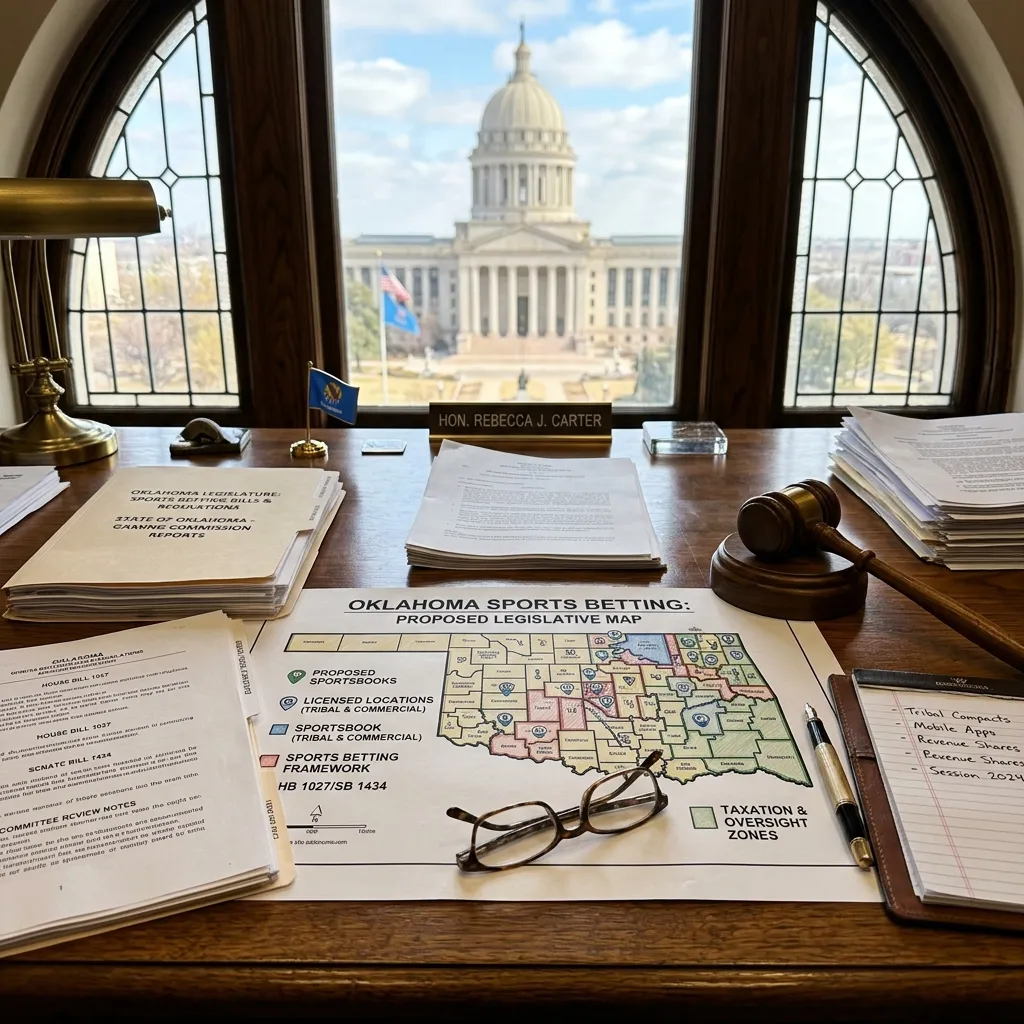
Understanding the regulatory environment requires a deep dive into the state’s unique relationship with sovereign tribal nations. For decades, the region has maintained a robust gaming industry managed almost exclusively by tribal operators through complex exclusivity compacts. These agreements dictate how gambling revenue is shared with the state government, providing millions of dollars annually for public services. However, the introduction of oklahoma sports betting remains a highly contested topic among lawmakers, tribal leaders, and public advocacy groups.
Recent legislative sessions have seen intense debate over how to structure a legal wagering market. Bills proposing the legalization of retail and mobile sportsbooks have faced significant pushback. Some lawmakers argue that expanding gambling access creates moral hazards and financial risks for vulnerable populations. Conversely, advocates highlight that an unregulated, underground market already exists. By ignoring the demand for oklahoma sports betting, the state forfeits substantial tax revenue that could be deployed to solve pressing social issues, particularly within the severely underfunded public education system.
To build a sustainable framework, any future legislation must respect existing tribal gaming compacts while modernizing the state’s approach to digital commerce. When platforms operate in the shadows, consumers face risks such as identity theft, withheld payouts, and a total lack of responsible gaming resources. Transitioning to a regulated environment ensures consumer protection, creates a transparent taxation model, and provides an unprecedented opportunity to direct massive financial windfalls toward innovative classroom initiatives that foster student well-being.
Navigating Recent Legislative Hurdles
The journey toward legalization has been fraught with legislative roadblocks. Recent proposals aimed at allowing tribes to offer retail and mobile sports wagering while remitting a percentage of earnings to the state fell short of passing. Critics often cite concerns over addiction and the potential negative impact on low-income families. However, proponents argue that a regulated oklahoma sports betting market would include mandatory funding for addiction treatment and robust age verification protocols.
When lawmakers reject regulation, the demand does not disappear; it simply migrates to unregulated offshore platforms or neighboring states. This capital flight represents a missed opportunity to invest in local infrastructure. By observing the success of other jurisdictions, legislators can craft a model that balances economic growth with strict social safeguards. The ongoing dialogue suggests that while immediate passage remains elusive, the foundation for future compromise is actively being laid.
The Economic Potential of a Regulated Market
Evaluating the fiscal impact of oklahoma sports betting reveals a landscape brimming with untapped potential. Economists estimate that a fully mature, regulated market could generate tens of millions of dollars in new tax revenue annually. This financial injection comes without the need to raise income or property taxes, making it a highly attractive proposition for budget-conscious policymakers. The revenue generated from betting handle and gross gaming revenue could easily bridge existing gaps in state budgets.
Beyond direct taxation, the legalization of oklahoma sports betting stimulates broader economic development. The industry requires a vast network of support services, including cybersecurity experts, compliance officers, software developers, and customer service representatives. Retail sportsbooks located within existing tribal casinos drive tourism, increase hospitality spending, and create secondary jobs in food, beverage, and entertainment sectors. This holistic economic stimulation revitalizes both urban centers and rural communities where tribal facilities serve as primary employers.
Crucially, retaining capital within state borders strengthens the local economy. Currently, residents who wish to place wagers must travel to neighboring jurisdictions or use offshore accounts, effectively exporting their disposable income. Establishing a regulated oklahoma sports betting market repatriates these funds. When this repatriated wealth is strategically channeled into specific public sectors, the entire state reaps the rewards of a modernized entertainment landscape.
The Current State of Educational Funding
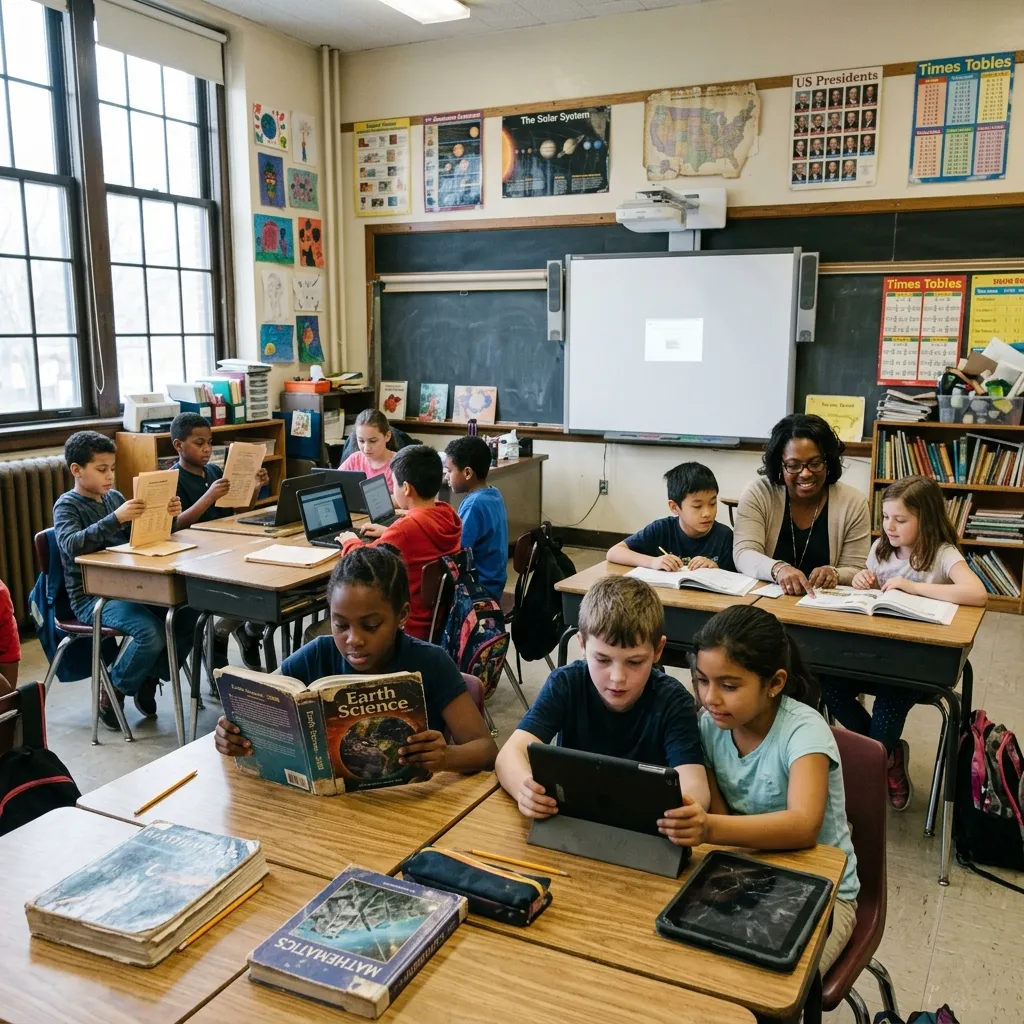
To understand the urgent need for new revenue streams, we must examine the challenges facing local public schools. For years, the state has struggled with educational funding shortfalls, leading to increased class sizes, outdated instructional materials, and a severe shortage of qualified educators. Teachers frequently operate with limited resources, spending their own money to equip classrooms and support disadvantaged students.
Furthermore, the modern educational environment demands more than just textbooks and standardized tests. Students today face unprecedented levels of anxiety, digital distraction, and social pressure. Schools are increasingly tasked with providing comprehensive mental health support, yet they lack the financial resources to hire adequate numbers of counselors, psychologists, and behavioral interventionists. The gap between student needs and available mental health resources continues to widen, creating an environment where academic achievement naturally suffers.
This systemic underfunding requires creative, sustainable solutions. Traditional funding mechanisms have proven insufficient to meet the evolving demands of 21st-century education. By earmarking tax receipts from a legalized oklahoma sports betting market specifically for educational enhancement, the state can bypass perennial budget battles and provide consistent, reliable support for holistic student development.
Transforming Education: The Calm and Focus Initiative
One of the most compelling proposals for utilizing oklahoma sports betting revenue involves creating statewide calm and focus initiatives. These programs integrate mindfulness practices, emotional regulation techniques, and trauma-informed care directly into the daily curriculum. Instead of solely focusing on punitive disciplinary measures, schools can adopt proactive strategies that teach students how to manage stress, sustain attention, and navigate complex social dynamics.
When children learn how to center their minds, the entire classroom environment transforms. Calm and focus programs reduce behavioral disruptions, lower suspension rates, and create a safer, more inclusive atmosphere for learning. Teachers spend less time managing classroom conflict and more time delivering high-quality instruction. This shift not only improves academic outcomes but also significantly enhances teacher job satisfaction and retention rates.
Funding these initiatives requires substantial investment. Schools need capital to train educators in mindfulness techniques, purchase specialized equipment, and develop comprehensive wellness curricula. Revenue derived from oklahoma sports betting could fully fund these educational funding initiatives, ensuring that every public school, regardless of its zip code, has the resources necessary to prioritize student mental health and cognitive development.
The Science Behind Mindfulness in the Classroom
Extensive psychological research supports the efficacy of mindfulness in educational settings. Regular practice of calm and focus exercises physically alters brain structures associated with memory, learning, and emotional regulation. Students who engage in daily breathing exercises or guided reflection demonstrate improved executive functioning, allowing them to process information more efficiently and respond to challenges with greater resilience.
Integrating these practices does not require overhauling the entire educational system. Simple interventions, such as a five-minute mindful breathing session at the start of the school day, yield measurable improvements in standardized test scores and student engagement. If oklahoma sports betting revenue were dedicated to this cause, schools could standardize these scientifically backed methods, providing a robust foundation for lifelong mental wellness.
Developing Specialized Sensory Spaces
A practical application of calm and focus funding involves the construction of specialized sensory rooms within schools. These spaces provide a quiet, visually soothing environment where overstimulated or anxious students can retreat to self-regulate. Equipped with soft lighting, weighted blankets, comfortable seating, and therapeutic tools, sensory rooms offer a safe haven for students experiencing emotional distress.
Building and maintaining these spaces requires dedicated capital. Traditional school budgets rarely accommodate such specialized infrastructure. By leveraging oklahoma sports betting tax dollars, districts can retrofit existing classrooms into state-of-the-art sensory environments. This tangible investment directly addresses the escalating mental health crisis among youth, demonstrating a profound commitment to inclusive and supportive education.
Comparison Table: Regional Wagering Frameworks
Analyzing how neighboring states handle wagering provides valuable context for structuring a successful local market.
|
Feature |
Current Local Landscape |
Regulated Neighboring States |
Proposed Future Framework |
|---|---|---|---|
|
Market Status |
Prohibited / Underground |
Fully operational and regulated |
Regulated via tribal partnerships |
|
Tax Revenue |
$0 |
Millions generated annually |
Earmarked for education & wellness |
|
Consumer Protection |
None (Offshore risks) |
Strict age/identity verification |
Robust responsible gaming protocols |
|
Mobile Access |
Illegal |
Geofenced state-wide apps |
Mobile platforms tied to retail casinos |
|
Economic Focus |
Capital flight out of state |
Infrastructure and general funds |
Dedicated calm and focus programs |
Common Mistakes to Avoid in Market Regulation
As the conversation surrounding oklahoma sports betting evolves, policymakers must navigate carefully to avoid common regulatory pitfalls. The most frequent mistake is establishing excessively high tax rates on operators. While the goal is to maximize state revenue, uncompetitive taxation forces licensed operators to offer poor odds to consumers. This drives bettors back to the illegal, untaxed offshore market, defeating the entire purpose of legalization. A balanced tax rate ensures operator viability, consumer participation, and consistent state revenue.
Another critical error is failing to incorporate existing tribal partners early in the legislative drafting process. The state’s gaming infrastructure is intrinsically linked to sovereign tribal nations. Any attempt to legalize oklahoma sports betting without honoring current compacts or providing clear avenues for tribal participation will result in immediate legal challenges and prolonged gridlock. Collaborative negotiations are essential for a smooth, mutually beneficial market rollout.
Finally, lawmakers must avoid the mistake of depositing new revenues into a general fund without strict oversight. When tax dollars enter a general fund, they are often diverted to plug various administrative holes rather than funding new, impactful programs. Legislation must explicitly mandate that a specific percentage of oklahoma sports betting revenue be placed in a protected trust dedicated solely to educational wellness and tax revenue allocation initiatives.
Pro Tips and Expert Insights for Stakeholders

For advocates pushing for the legalization of oklahoma sports betting, clear and transparent communication is paramount. Experts advise focusing public messaging on the tangible benefits of regulation rather than the mechanics of gambling. By illustrating exactly how the revenue will build sensory rooms, hire counselors, and implement calm and focus programs, advocates can garner support from demographics that traditionally oppose gambling expansion.
Industry analysts also recommend implementing a phased rollout strategy. Allowing retail wagering at established tribal casinos before expanding to statewide mobile platforms provides regulators time to test compliance systems and refine consumer protection protocols. This cautious approach mitigates risk, ensures technical stability, and builds public trust in the new regulatory framework.
Furthermore, educational leaders should begin developing comprehensive proposals for how they would utilize calm and focus funding before the legislation even passes. Having actionable, evidence-based blueprints ready demonstrates responsible stewardship of potential funds. When lawmakers see concrete plans for hiring behavioral specialists and improving student mental health, the argument for legalizing oklahoma sports betting becomes significantly more compelling.
The Path Forward
The debate over oklahoma sports betting is ultimately a conversation about community priorities and economic modernization. Acknowledging the reality of modern consumer behavior allows the state to capture vital revenue that is currently being lost. By meticulously crafting a regulatory environment that respects tribal sovereignty, protects vulnerable populations, and maximizes economic retention, the state can achieve unprecedented fiscal health.
The true transformative power of this initiative lies in its potential to revolutionize public education. Moving beyond basic funding needs, the strategic deployment of new tax dollars into calm and focus programs addresses the root causes of student disengagement and behavioral challenges. We have the opportunity to turn a recreational industry into a powerful engine for youth empowerment, mental wellness, and academic excellence.
As neighboring states continue to reap the benefits of regulated markets, the pressure to adapt will only intensify. Embracing oklahoma sports betting with a clear, education-centric vision ensures that the resulting financial windfall creates lasting, generational impact. It is a bold step toward a more resilient, focused, and prosperous future for all residents.
Conclusion
The legalization of oklahoma sports betting represents a critical opportunity to capture lost economic value and redirect it toward transformative public initiatives. By channeling new tax revenues into educational calm and focus programs, the state can profoundly improve student mental health, classroom behavior, and academic success. We encourage community members, educators, and lawmakers to collaborate on forward-thinking legislation that prioritizes youth development, honors tribal partnerships, and embraces responsible market regulation.
FAQs
1. Is it currently legal to participate in online sports wagering within the state?
No, operating or using traditional online sportsbooks remains illegal under current state law. Residents currently have no regulated domestic options for mobile wagering, though the topic is under heavy legislative review.
2. How could regulating the market directly benefit local public schools?
Legalizing the market would generate millions in tax revenue. Advocates propose dedicating these funds to education, specifically to finance calm and focus programs, hire behavioral counselors, and build sensory spaces for students.
3. What role do tribal nations play in the potential legalization?
Tribal nations hold exclusive gaming rights through established compacts. Any future legal framework for oklahoma sports betting must be negotiated collaboratively with tribal leaders to ensure their facilities can operate sportsbooks legally and profitably.
4. Why is there a specific focus on “calm and focus” educational programs?
Modern students face severe anxiety and digital distractions that hinder learning. Calm and focus programs teach emotional regulation and mindfulness, which research shows directly improves academic performance and reduces classroom disruptions.
5. What happens to the money Oklahomans currently spend on sports wagers?
Because there is no regulated domestic market, millions of dollars currently flow out of the state to neighboring jurisdictions where betting is legal, or to illegal offshore platforms that do not pay local taxes.
6. Will legalizing this industry increase the risk of problem gambling?
While increased access presents challenges, a regulated market legally mandates consumer protections, strict age verification, and dedicated funding for problem gambling treatment—resources that are completely absent in the current unregulated black market.
7. What is a sensory room, and how does it help students?
A sensory room is a specially designed, calming space within a school equipped with therapeutic tools like soft lighting and weighted blankets. It helps overstimulated or anxious students self-regulate their emotions and return to learning safely.
8. How much tax revenue is the state projected to make from a regulated market?
While estimates vary based on the final tax rate and market structure, economists project that a fully operational mobile and retail market could generate tens of millions of dollars in new tax revenue every year.
9. What are the main arguments against legalizing sports wagering?
Opponents often argue that state-sanctioned gambling constitutes a moral hazard, potentially exacerbating financial struggles for low-income families and leading to increased rates of addiction among young adults.
10. How can citizens support the funding of calm and focus programs through market regulation?
Citizens can contact their state representatives to voice support for legislation that pairs oklahoma sports betting regulation with strict mandates that allocate the resulting tax revenues exclusively to educational wellness initiatives.
]]>This definitive guide covers all essential aspects of sports betting oklahoma. You will learn about current legal updates, understand the vital role of tribal partnerships, discover top strategies for maximizing your success, and explore how this evolving industry impacts state funding and local educational initiatives.
The Evolution of Wagering in the Sooner State

The conversation around sports betting oklahoma has gained significant momentum in recent years. Residents and lawmakers alike are exploring how regulated wagering can benefit the state, providing entertainment while generating substantial tax revenue. When we examine the legal landscape, it becomes clear that Oklahoma possesses a unique framework heavily influenced by existing agreements with Native American tribes. Understanding this background is crucial for anyone looking to participate in this growing market.
For decades, residents have traveled to neighboring states to place their wagers, taking valuable revenue across state lines. The push for sports betting oklahoma aims to keep these funds local. By creating a safe, regulated environment, the state can protect consumers while funding essential services, including education. This approach mirrors successful rollbacks of gambling restrictions in other regions, proving that a well-structured market can thrive.
As lawmakers debate the intricacies of legalization, the focus remains on creating a system that honors existing compacts while opening doors to modern sportsbooks. The potential introduction of retail and digital platforms means bettors will have unprecedented access to their favorite sports. Keeping an eye on these legislative movements is essential for enthusiasts eager to see sports betting oklahoma become a fully realized reality.
Understanding the Tribal Gaming Influence
You cannot discuss sports betting oklahoma without acknowledging the massive influence of tribal gaming. Oklahoma is home to numerous federally recognized tribes that operate some of the largest casino resorts in the world. These entities hold exclusive rights to offer certain types of gambling, making them the primary stakeholders in any expansion efforts.
If the state moves forward with legalization, it will undoubtedly involve renegotiating or amending current compacts with these tribes. This ensures that the economic benefits of sports betting oklahoma are shared equitably. Tribes have the infrastructure, experience, and resources to implement robust betting lounges and digital kiosks seamlessly. Their expertise guarantees that any future rollout will meet high industry standards, offering patrons a secure and enjoyable experience.
The integration of sports wagering into existing casino floors will transform these venues into comprehensive entertainment destinations. Imagine watching the big game on massive screens while placing real-time bets from the comfort of a luxurious sportsbook lounge. This synergy between traditional casino offerings and sports betting oklahoma represents a lucrative opportunity for both the tribes and the state, driving tourism and local job creation.
The Shift Toward Mobile Betting Apps
In the digital age, convenience is king. The future of sports betting oklahoma will rely heavily on the availability of mobile betting apps. Across the country, states with legalized sports wagering see the vast majority of their handle generated through mobile devices. Bettors prefer the ability to check odds, place wagers, and manage their accounts from anywhere within state borders.
When sports betting oklahoma eventually includes mobile platforms, it will revolutionize the way fans interact with their favorite teams. These applications offer features like live betting, where users can place wagers on game events as they happen in real-time. This level of engagement requires stable technology and rigorous regulatory oversight to ensure fair play and data security.
Furthermore, mobile betting apps provide a wealth of information at the user’s fingertips. From deep statistical analysis to injury reports, these platforms empower bettors to make educated decisions. As we anticipate the launch of mobile sports betting oklahoma, enthusiasts should familiarize themselves with how these applications operate, ensuring they are ready to take full advantage of introductory offers and streamlined betting interfaces.
Essential Betting Strategies and Bankroll Management

Success in sports wagering requires more than just luck; it demands discipline and a solid understanding of the mechanics. Whether you are interested in the NFL, NBA, or collegiate athletics, applying fundamental strategies is key to enjoying sports betting oklahoma responsibly. One of the most critical concepts is bankroll management. This practice involves setting a strict budget for your betting activities and sticking to it, ensuring you never wager more than you can afford to lose.
A common approach to bankroll management is the unit system, where a bettor stakes a consistent percentage of their total bankroll on each game—typically between one and five percent. This method protects your funds during inevitable losing streaks and capitalizes on winning trends. By maintaining this discipline, your experience with sports betting oklahoma will remain an entertaining hobby rather than a financial burden.
Additionally, understanding how to read and interpret odds is foundational. Bettors must familiarize themselves with different bet types, including moneylines, point spreads, and totals (over/under). Knowing how to identify value in these lines allows you to make strategic wagers. When exploring sports betting oklahoma, always compare lines across different platforms to ensure you are getting the best possible return on your investment.
Pro Tips for the Savvy Bettor
To elevate your experience with sports betting oklahoma, consider integrating these expert insights into your routine. These tips are designed to refine your approach, minimize risks, and enhance your overall enjoyment of the process.
- Shop for the Best Lines: Do not settle for the first number you see. Different sportsbooks will offer varying lines and payouts. Having accounts with multiple platforms allows you to shop around and lock in the most favorable terms for your selected wager.
- Specialize in a Niche: Instead of betting on every game across multiple sports, focus your attention on a specific league or conference. Deep knowledge of a smaller market often uncovers value that the general public and bookmakers might overlook.
- Avoid Emotional Betting: Betting on your favorite team can cloud your judgment. Successful participants in sports betting oklahoma rely on data, statistics, and objective analysis rather than loyalty and emotion.
- Track Your Bets: Maintain a detailed record of your wagers, including the stake, odds, bet type, and outcome. Analyzing this data over time helps identify your strengths and weaknesses, allowing you to refine your strategy continually.
- Stay Informed: Keep up with the latest news, injury reports, and weather conditions. These variables significantly impact the outcome of sporting events and, consequently, the accuracy of point spreads and totals.
Comparing Top Platform Features
As the market for sports betting oklahoma develops, bettors will likely have access to several premier platforms. While we wait for official launches, examining the standard features of top-tier operators helps set expectations. Below is a structured comparison of what leading platforms typically offer.
|
Feature |
Platform A (Expected) |
Platform B (Expected) |
Platform C (Expected) |
|---|---|---|---|
|
Welcome Bonus |
100% Deposit Match |
Risk-Free First Bet |
Bet $5, Get $150 |
|
User Interface |
Highly intuitive, fast |
Data-heavy, analytical |
Beginner-friendly |
|
Live Betting |
Extensive options |
Moderate options |
Basic options |
|
Customer Support |
24/7 Live Chat |
Email and Phone |
24/7 Live Chat |
|
Withdrawal Speed |
1-2 Business Days |
2-3 Business Days |
Instant to 24 Hours |
Selecting the right platform for sports betting oklahoma will depend on your personal preferences. Some users prioritize massive promotional offers, while others value a clean, glitch-free mobile experience above all else.
Common Mistakes to Avoid
Even experienced bettors fall into traps that can derail their success. When participating in sports betting oklahoma, being aware of these common pitfalls is just as important as knowing winning strategies.
First, avoid “chasing losses.” This occurs when a bettor increases their wager size after a loss in an attempt to win back their money quickly. This reckless approach violates the core principles of bankroll management and often leads to deeper financial deficits. Accept that losses are part of the game and stick to your predefined unit size.
Second, do not ignore the importance of line movement. The odds for a game will fluctuate based on public betting action, sharp money, and breaking news. Placing a bet at the wrong time can cost you valuable points. Understanding when to bet early and when to wait for the line to settle is a nuanced skill that greatly benefits anyone engaging in sports betting oklahoma.
Finally, beware of buying picks from unverified sources. The internet is full of “touts” promising guaranteed wins for a fee. The reality is that no outcome in sports is certain. Instead of paying for picks, invest your time in learning how to handicap games yourself. By conducting your own research, you build a sustainable foundation for long-term enjoyment in the sports betting oklahoma market.
How Wagering Can Transform Education

You might wonder how sports betting oklahoma connects to transforming education through calm and focus. The relationship lies in the allocation of state tax revenue. When a state legalizes and regulates sports wagering, it imposes taxes on the gross gaming revenue generated by the operators. A significant portion of these funds is frequently earmarked for public education.
By directing revenue from sports betting oklahoma into local school districts, the state can provide better resources, improved facilities, and enhanced support for teachers. Well-funded educational environments reduce stress on educators and administrators, creating a calmer, more focused atmosphere for students to thrive. This influx of capital can be used to lower class sizes, upgrade technology, and support extracurricular programs that foster student development.
Furthermore, regulated sports betting oklahoma includes provisions for responsible gambling education. A portion of the proceeds is dedicated to programs that promote healthy betting habits and provide assistance for those who need it. This holistic approach ensures that the community benefits from the economic windfall while simultaneously addressing potential societal concerns with focus and care.
Analyzing the Economic Ripple Effect
The introduction of sports betting oklahoma will create an economic ripple effect extending far beyond the casino floor. The development and maintenance of retail sportsbooks require construction, technology installation, and ongoing staffing. This means new jobs for residents, ranging from customer service representatives to oddsmakers and compliance officers.
In addition to direct employment, the hospitality and tourism sectors stand to gain. Major sporting events will draw crowds to local venues, increasing revenue for nearby restaurants, hotels, and entertainment centers. When patrons visit to engage in sports betting oklahoma, they contribute to the broader local economy, multiplying the financial impact.
We must also consider the technological sector. The rise of mobile betting apps necessitates ongoing software development, cybersecurity, and digital marketing. Partnering with leading tech firms ensures that the infrastructure supporting sports betting oklahoma remains cutting-edge, safe, and efficient. Check out authoritative resources like the American Gaming Association for more information on the nationwide economic impact of legal wagering.
Preparing for the Future
As legislative sessions progress, the framework for sports betting oklahoma will continue to take shape. Bettors should use this time to educate themselves on the intricacies of sports wagering. Familiarize yourself with the terminology, study historical trends, and practice your analytical skills without financial risk.
Advocacy also plays a role. Residents interested in seeing sports betting oklahoma become a reality can contact their local representatives to express their support for a sensible, regulated market. Open dialogue between constituents, tribal leaders, and state officials is the pathway to a mutually beneficial agreement.
Ultimately, the goal is to create a vibrant, secure ecosystem where adults can enjoy placing wagers on their favorite athletic contests. Whether you are a casual fan looking to add a bit of excitement to a Sunday afternoon football game or a serious analytical bettor, the future of sports betting oklahoma promises to deliver robust opportunities and thrilling experiences.
Navigating Promotional Offers
When sports betting oklahoma officially launches, the market will be flooded with promotional offers designed to attract new customers. Operators use these bonuses as a marketing tool, and savvy bettors can use them to build their initial bankroll.
Understanding the terms and conditions attached to these promotions is vital. A “risk-free bet” usually means that if your first wager loses, you will be refunded in site credit, not withdrawable cash. This site credit typically comes with a “playthrough requirement,” meaning you must wager the credited amount a certain number of times before you can cash out any winnings.
Other common promotions include deposit matches and odds boosts. A deposit match gives you extra funds based on a percentage of your initial deposit, while odds boosts artificially inflate the payout on a specific wager to provide better value. By carefully reading the fine print, participants in sports betting oklahoma can strategically utilize these offers to maximize their advantage while mitigating early risks.
The Role of Data and Analytics
Modern sports wagering is heavily driven by data. The days of relying solely on gut feelings or team loyalty are over for those who want to be consistently successful. Engaging in sports betting oklahoma requires an analytical mindset.
Bettors use advanced metrics to evaluate team performance, player efficiency, and historical matchups. For example, in baseball, metrics like FIP (Fielding Independent Pitching) provide a more accurate picture of a pitcher’s ability than traditional ERA. In basketball, analyzing a team’s pace and offensive rating helps predict high-scoring games accurately.
Embracing data analytics allows you to spot discrepancies between your projections and the odds set by bookmakers. When you find a line that misrepresents the statistical probability of an outcome, you have identified a value bet. As you prepare for the launch of sports betting oklahoma, dedicating time to understanding sports analytics will dramatically improve your forecasting skills and betting acumen.
The Importance of Responsible Gambling
As excitement builds for sports betting oklahoma, emphasizing responsible gambling practices is absolutely essential. Wagering should always be viewed as a form of paid entertainment, not a guaranteed way to make money or solve financial problems.
Setting limits is the cornerstone of responsible play. Determine a maximum deposit limit per week or month and utilize the responsible gaming tools provided by operators. These tools allow you to set time limits, deposit caps, and even self-exclude from platforms if you feel your habits are becoming unhealthy.
If you or someone you know struggles with gambling, it is crucial to seek help. Organizations like the National Council on Problem Gambling provide confidential resources and support. A healthy, regulated sports betting oklahoma market relies on participants maintaining control and enjoying the activity safely and responsibly.
Final Thoughts on the Road Ahead
The journey toward fully legalized and operational sports betting oklahoma is a complex process involving lawmakers, tribal leaders, and the public. However, the potential benefits—ranging from enhanced consumer protection to increased educational funding—make it a pursuit worth undertaking.
By staying informed about the legal landscape, practicing strict bankroll management, and utilizing data to inform your wagering decisions, you will be perfectly positioned to enjoy the market once it opens. The integration of modern technology, such as secure mobile betting apps, will ensure that the user experience is both safe and exhilarating.
The transformative power of a regulated market extends beyond the individual bettor, offering a calm and focused approach to generating vital state revenue. As we look to the future, sports betting oklahoma stands poised to deliver top-tier entertainment while supporting the community at large.
Conclusion
Understanding the dynamic landscape of sports betting oklahoma empowers you to make educated, responsible decisions. By mastering betting strategies, utilizing top-tier platforms, and respecting the legal frameworks, you ensure a rewarding experience. Stay informed, practice disciplined bankroll management, and get ready to enjoy the exciting future of sports wagering.
FAQs
What is the current legal status of sports betting in Oklahoma?
Currently, sports betting is not legally operational within the state. Lawmakers and tribal leaders are actively negotiating potential frameworks to legalize and regulate the industry, ensuring mutual economic benefits.
Will I be able to use mobile apps to place bets?
Yes, once legislation is passed and implemented, mobile betting apps are expected to be a major component of the market. This will allow residents to conveniently place wagers from anywhere within state lines.
How will tribal casinos be involved?
Tribal casinos hold exclusive gaming rights in the state. Any rollout of sports betting will likely be facilitated through partnerships with these tribes, featuring retail sportsbooks located directly on their casino floors.
What sports will I be able to bet on?
A fully regulated market typically allows wagering on all major professional sports (NFL, NBA, MLB, NHL) as well as collegiate athletics, international soccer, golf, tennis, and combat sports.
What is bankroll management?
Bankroll management is the practice of setting a specific budget for your betting activities and only wagering a small percentage (usually 1-5%) on any single game to protect yourself from losing streaks.
Are my funds safe with legal sportsbooks?
Yes. Regulated and licensed sportsbooks employ state-of-the-art encryption and must adhere to strict governmental oversight, ensuring that your personal data and financial deposits are completely secure.
How does sports betting benefit the state’s education system?
States tax the gross gaming revenue produced by sportsbooks. A significant portion of this tax revenue is often allocated directly to public education, funding school improvements and teacher resources.
What are point spreads?
A point spread is a handicap set by oddsmakers to level the playing field between two mismatched teams. You must bet on a team to win by a certain margin or lose by less than a specified amount.
How old do I need to be to place a bet?
In almost all regulated US jurisdictions, you must be at least 21 years old to participate in retail and online sports wagering. Age verification is a strict requirement for all account registrations.
Where can I find the best odds?
The best way to find favorable odds is to open accounts with multiple licensed sportsbooks. This allows you to “line shop” and select the platform offering the highest potential payout for your desired bet.
]]>This comprehensive guide explores the intersection of economic policy and academic development. You will learn actionable strategies for utilizing gaming revenue to integrate therapeutic horticulture, mindfulness programs, and financial literacy into curriculums. Explore our structured insights to create a focused, stress-free learning atmosphere.
Why sports betting wisconsin Matters in Educational Development
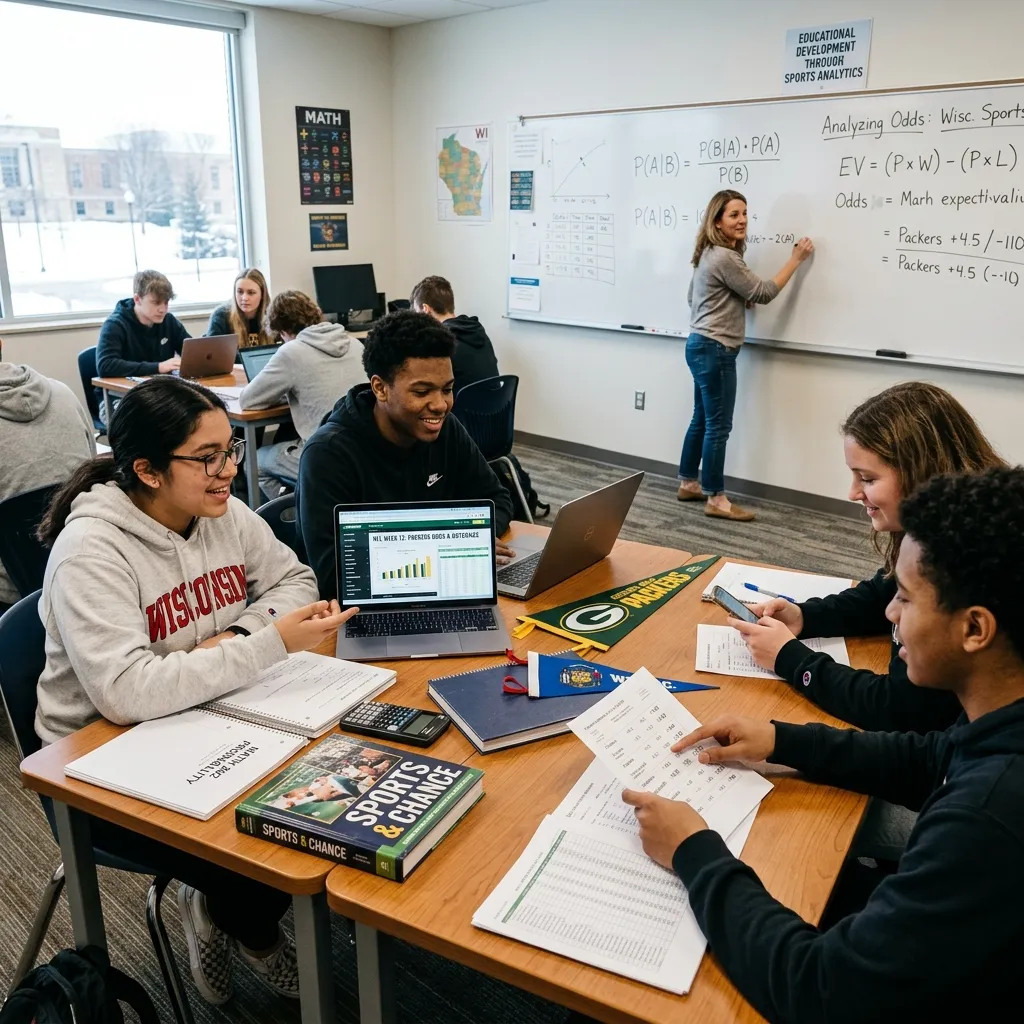
Bringing modern economic strategies into the educational sphere does much more than simply balance a state budget. It fundamentally shifts how schools can interact with their surrounding learning environment. Administrators who advocate for using revenue generated by sports betting wisconsin consistently notice immediate, measurable improvements in their ability to fund classroom behavior initiatives, emotional regulation programs, and long-term cognitive retention strategies. When states invest new revenue streams into infrastructure, they invest in the holistic well-being of the student body.
The Behavioral Psychology of Calm Learning Spaces
Extensive research from leading psychological organizations demonstrates that creating properly funded, nature-based learning environments significantly lowers cortisol levels in children. When students step into a lush, well-funded environment—potentially supported by new tax revenues—their baseline stress and anxiety decrease. This physiological shift opens the cognitive door for much deeper concentration and academic retention. Incorporating a hands-on STEM curriculum allows abstract scientific concepts to become tangible, interactive realities. Students who struggle to sit still at a standard desk often find grounding and focus when schools have the resources to provide advanced educational tools.
Bridging the Gap with Experiential Learning
Standard textbooks offer valuable educational frameworks, but a well-funded school offers a dynamic, living laboratory. Through robust experiential learning, students can observe complex systems in real-time. Providing students with structured opportunities to explore financial literacy, statistics, and probability—concepts inherently linked to the economics of gaming—encourages a profound sense of responsibility.
Technical Setup: Structuring Ideal Educational Funding

Designing a fully functional educational framework supported by alternative revenue streams requires specific, highly technical considerations regarding structural safety, student accessibility, and long-term durability. Effective policy emphasizes that the foundation of your program relies heavily on transparent funding.
Choosing the Right Revenue Allocations
Selecting the correct allocation model forms the absolute foundation of your academic infrastructure. Schools must carefully balance inevitable budget constraints with long-term longevity.
|
Funding Focus |
Primary Beneficiary |
Overall Durability |
Educational Impact |
Best Application |
|---|---|---|---|---|
|
Infrastructure |
School Buildings |
Extremely High |
Excellent |
High-budget, permanent structures |
|
Mindfulness Programs |
Student Well-being |
High |
Good |
Most school counseling initiatives |
|
STEM Equipment |
Advanced Academics |
Moderate |
Good |
High school technical training |
|
Outdoor Greenhouses |
Therapeutic Horticulture |
Very High |
Excellent |
Specialized science academies |
Sensory Management for Student Comfort
An overheated, poorly ventilated classroom creates immediate physical distraction, defeating the fundamental goal of cultivating a calm learning environment. Proper facility funding ensures that both the delicate learning ecosystems and the active students remain completely comfortable. Proper cross-ventilation and advanced HVAC systems ensure that students can maintain focus during long lectures, turning chaotic classrooms into sanctuaries of deep thought.
Advanced Data and Statistical Learning
Understanding probabilities, risk management, and data analysis is crucial in the modern economy. By utilizing funding to teach advanced mathematics, educators provide the perfect balance of abstract theory and practical application. Teaching students how to calibrate and program automated data models serves as an excellent introduction to agricultural technology, economic forecasting, and advanced engineering principles.
Mastering Mental Health and Mindfulness Systems
Healthy academic performance begins with an incredibly healthy mind. Teaching students about complex emotional regulation is a cornerstone of any effective developmental curriculum. Successful programs always prioritize the psychological ecosystem beneath the surface.
Building Cognitive Resilience
Avoid sterile, lifeless teaching methods if you want to teach true resilience. Instead, introduce students to the fascinating world of mindfulness, meditation, and focused breathing. Show them how taking a moment to center themselves increases their mental capacity, allowing them to absorb academic material much more efficiently.
Establishing an Integrated Wellness Station
Every modern school should feature a dedicated wellness center. Have students utilize these spaces to decompress, manage anxiety, and learn biofeedback techniques. Managing a quiet space is particularly engaging for younger learners, directly linking emotional management to long-term academic vitality.
Strategic Resource Rotations for Continuous Learning
To maximize educational value throughout the entire academic calendar, educators must implement strategic resource rotations. These strategies ensure the space remains active, engaging, and highly productive from the first day of autumn classes to the final bell of spring.
Autumn Integrations (September to November)
Start the school year with fast-paced, resource-heavy modules. Utilizing alternative funding allows schools to purchase necessary supplies early in the year, ensuring that students have what they need to establish quick momentum. Focusing on foundational wellness practices teaches long-term patience, as students will rely on these skills until the end of the school year.
Winter Maintenance (December to February)
In colder climates, winter requires careful management of indoor learning environments. Use this time to focus heavily on indoor learning modules centered around digital literacy, statistical modeling, and personal wellness planning for the upcoming spring. Focus on quiet, focused tasks that require minimal physical space but yield rapid, highly beneficial cognitive results for the classroom.
Spring Explosions (March to June)
Spring is the busiest, most exciting time in education. Students can start utilizing outdoor learning spaces, applying the mindfulness techniques they learned during the winter. As the weather warms, students can transition their established emotional resilience into higher-stakes end-of-year testing, completing the full academic lifecycle before leaving for summer break.
Pro Tips for Maximizing Student Engagement
To truly transform education through calm and focus, teachers must strategically weave practical mindfulness tasks into daily routines. Follow these advanced tips to maximize participation:
- Assign specific classroom management roles to different grade levels to build a fierce sense of ownership.
- Integrate fine arts classes by having students sketch calming, repetitive patterns.
- Utilize digital data logging tools so mathematics students can diligently track the statistical probabilities of real-world events.
- Cultivate highly sensory environments utilizing soft lighting and ambient noise to promote grounding mindfulness.
- Partner proactively with local psychological experts to host interactive guest lectures inside the school environment.
Strategic Concept Selection for Calm and Focus

Not all academic concepts perfectly suit a calm educational setting. You want fast-paced, highly resilient subjects that gracefully tolerate the enthusiastic learning styles of modern students. Implementing smart educational strategies means choosing the right mental frameworks.
Quick-Win Cognitive Tasks
Puzzles, short-form writing prompts, and rapid mathematical drills engage students quickly. This rapid learning cycle keeps impatient students highly engaged and provides incredibly quick rewards for their physical efforts. Seeing a complex problem solved within mere minutes builds immense momentum and long-term excitement for ongoing academic studies.
Sensory and Emotionally Calming Techniques
Deep breathing, progressive muscle relaxation, and guided imagery offer deeply soothing physical benefits that naturally reduce physiological anxiety and promote classroom focus. These techniques teach fascinating lessons about neurological adaptation and require minimal physical resources, making them absolutely perfect for younger students learning the fundamental basics of self-care.
Common Mistakes to Avoid in Educational Funding
Even the most enthusiastic, well-meaning administrators can severely stumble when setting up a new program utilizing alternative revenue. Steer clear of these incredibly frequent pitfalls to ensure your academic program thrives year after year.
- Ignoring Critical Staff Training: Teachers desperately need consistent training to implement mindfulness programs effectively. Create a robust summer training roster heavily involving psychological professionals.
- Overcrowding the Curriculum: Students require ample cognitive space to completely absorb new information. Leave wide, easily navigable blocks of time in the schedule so students can move comfortably between subjects without feeling overwhelmed.
- Focusing Exclusively on Metrics: A well-designed school serves absolutely every facet of human development. Failing to actively include emotional well-being severely limits the educational potential of the expensive space.
- Using Outdated Technologies: Always emphatically opt for modern, highly secure digital networks. Outdated solutions pose unacceptable security risks to young learners and destroy the functional ecosystem.
Measuring the Impact on Student Well-being
Schools actively implementing structured wellness programs consistently report significantly lower disciplinary incidents and higher attendance rates. By providing a quiet, highly tactile retreat, students who frequently struggle with the overwhelming stimuli of traditional classroom settings find a peaceful space where they can genuinely thrive. Consult excellent resources from Edutopia on exactly how nature-based learning environments and mindfulness directly support neurodivergent students by dramatically reducing sensory overload. Utilizing comprehensive funding strategies creates an inclusive environment for all cognitive types.
When administrators prioritize mental health, they build a foundation that supports all other academic endeavors. A calm student is a focused student, and a focused student is capable of mastering even the most complex subjects.
The Future of Alternative Educational Economics
As states continue to explore new economic avenues, the conversation around educational funding becomes more dynamic. By observing successful implementations in other regions, local policymakers can craft legislation that ensures a significant portion of new revenues is permanently earmarked for public education. This forward-thinking approach guarantees that as the economy evolves, the school systems evolve alongside it, providing students with the absolute best resources available.
Through careful planning, rigorous oversight, and a deep commitment to student well-being, the integration of new economic models can profoundly alter the trajectory of a generation. By investing in the infrastructure of calm, we invest in the architecture of focus.
Conclusion
Understanding the economic landscape of sports betting wisconsin offers a uniquely powerful pathway to dramatically enhance educational outcomes. By seamlessly blending new revenue streams with therapeutic, mindful academic environments, schools nurture developing young minds. Start your strategic journey today to effectively build a calming, hyper-focused educational system where every single student has the wonderful opportunity to naturally grow, learn, and thrive.
Frequently Asked Questions
How does alternative state revenue genuinely improve student focus?
Alternative revenue allows schools to purchase better HVAC systems, comfortable seating, and advanced learning tools. This dramatically lowers physical stress levels in the classroom, naturally reducing anxiety and allowing for significantly better cognitive concentration.
What specific subjects benefit most from increased educational funding?
While all subjects benefit, STEM education and the fine arts see the most dramatic improvements. These subjects require expensive materials, specialized equipment, and dedicated spaces that alternative funding can easily provide.
Do schools need a massive budget to implement mindfulness programs?
No. While large structural changes are expensive, simple mindfulness training for teachers offers a highly affordable entry point for schools actively looking to start emotional regulation projects on a very tight budget.
How can administrators effectively maintain wellness programs year-round?
Establish a dedicated staff committee. Proactively invite counselors, local psychologists, and enthusiastic teachers to formally adopt the wellness initiatives, ensuring consistent implementation and training throughout the year.
Is it safe to teach financial literacy and statistical probability to young students?
Yes, provided you meticulously use age-appropriate models. Teaching the mathematics behind risk management and probability empowers students to make informed, highly logical decisions later in life.
How can I creatively integrate mindfulness into the mathematics curriculum?
Students can precisely track their own heart rates before and after deep breathing exercises, accurately plotting the data on line graphs, and statistically analyzing the physiological benefits over extended periods of time.
What is the ideal target environment for a calm classroom?
Aim for comfortable temperatures, abundant natural light, and minimal visual clutter. This optimal range perfectly supports most standard learning tasks while remaining highly comfortable for the active students working inside.
How much dedicated time should students actually spend on mindfulness weekly?
Even just 10 to 15 minutes a day yields highly significant psychological benefits. Consistency matters far more than long durations. Regular, short, focused sessions help students build reliable emotional regulation routines.
Can specialized funding genuinely help students with severe behavioral challenges?
Absolutely. Hiring specialized counselors and building dedicated sensory rooms provides an excellent grounding outlet for overwhelmed students. This deeply fosters empathy, behavioral patience, and vital emotional regulation skills.
What are the most common challenges when implementing new educational initiatives?
Staff resistance, inconsistent training, and poor resource allocation frequently appear. Manage them safely using transparent communication, professional development, and introducing pilot programs before launching massive district-wide changes.
]]>This comprehensive guide explores how betting card games revolutionize modern education. We delve into the psychological benefits, mathematical applications, and emotional regulation techniques these games foster. By implementing structured game-based learning, educators can cultivate deep focus, analytical thinking, and lifelong resilience in their students.
The Evolution of Game-Based Learning

The traditional educational model frequently struggles to keep students engaged, especially when teaching complex topics like statistics, probability, and risk assessment. Standard lectures and repetitive worksheets often fail to capture the imagination of modern learners. To bridge this gap, educators are increasingly turning to betting card games as a powerful, interactive teaching tool. When utilized correctly in a controlled, non-financial environment, betting card games transform abstract mathematical concepts into tangible, high-stakes scenarios that demand active participation.
Students who engage with betting card games are required to process information rapidly, make decisions under pressure, and calculate probabilities on the fly. This dynamic approach to learning shifts the educational paradigm from passive reception to active cognitive engagement. By navigating the strategic complexities of betting card games, learners develop a robust framework for critical thinking that applies far beyond the confines of the classroom. They learn to evaluate risk, anticipate competitor behavior, and understand the mathematical foundation of everyday decisions.
Cognitive Benefits and Neurological Development
The human brain thrives on interactive challenges. Betting card games provide an ideal stimulus for neurological development, engaging multiple cognitive functions simultaneously. When a student plays these games, their working memory is continuously taxed as they track discarded cards, calculate pot odds, and monitor opponent tendencies. This intense mental juggling strengthens neural pathways associated with executive function and problem-solving.
Moreover, betting card games introduce the concept of expected value in a highly practical format. Instead of memorizing statistical formulas, students experience the immediate consequences of their mathematical choices. This immediate feedback loop accelerates learning. When a student makes a mathematically sound decision in betting card games and still loses due to natural variance, they learn a profound lesson about the nature of probability. They understand that a correct process does not always guarantee a successful short-term outcome, fostering academic resilience and analytical maturity.
Emotional Regulation and Finding Calm
Perhaps the most significant benefit of integrating betting card games into education is the development of emotional regulation. In these games, players constantly face high-pressure situations. They must manage the frustration of bad luck, the excitement of a strong hand, and the anxiety of risking their accumulated points. Learning to maintain a calm and focused demeanor during these emotional fluctuations is a critical life skill.
By practicing betting card games, students learn to detach their self-worth from immediate results. They recognize that emotional outbursts or impulsive decisions inevitably lead to poor strategic choices. Educators can use these moments to discuss psychological concepts, teaching students how to identify their emotional triggers and implement calming techniques. The ability to remain tranquil and focused during betting card games directly translates to improved performance during stressful academic examinations and real-world challenges. This emotional fortitude is a cornerstone of advanced psychological resilience.
Mathematics, Probability, and Statistical Variance

At their core, betting card games are applied mathematics. They represent a living laboratory for teaching fractions, percentages, combinatorics, and statistical variance. When students learn math through the lens of betting card games, the subject matter becomes deeply relevant and highly engaging.
For example, calculating the odds of drawing a specific card to complete a sequence requires a firm grasp of fractional math. Determining whether a potential reward justifies a specific risk introduces the concept of risk-to-reward ratios. Betting card games teach students how to calculate implied odds and expected value, translating abstract numbers into actionable strategies. According to research on active learning by the National Council of Teachers of Mathematics, students who apply math in gamified scenarios show significantly higher retention rates and a deeper conceptual understanding.
Strategic Thinking and Cognitive Flexibility
Betting card games require players to constantly adapt their strategies based on incomplete information. Unlike chess, where all pieces are visible on the board, these games involve hidden variables. This uncertainty forces students to develop cognitive flexibility. They must formulate a primary plan while simultaneously preparing secondary and tertiary backup strategies.
This strategic depth is invaluable in an educational setting. When students navigate the complexities of betting card games, they learn to analyze patterns, recognize behavioral tells, and adjust their tactics dynamically. They practice deductive reasoning, piecing together clues to infer the hidden cards held by their opponents. This type of analytical thinking is essential for success in STEM fields, debate, and complex problem-solving scenarios. Incorporating active learning methodologies ensures that students remain adaptable and forward-thinking.
Implementing the Methodology in the Classroom
Integrating betting card games into a formal curriculum requires careful planning and clear boundaries. Educators must ensure that the focus remains entirely on the mathematical and psychological lessons, strictly avoiding any association with actual gambling. The currency used should always be academic points, generic tokens, or fictional values.
The implementation process should begin with foundational games that teach basic addition and simple probability. As students master these concepts, educators can introduce more complex betting card games that require multi-layered strategic planning and advanced statistical analysis. Each gaming session must be followed by a comprehensive debriefing period. During this time, students should articulate the reasoning behind their decisions, calculate the exact odds of specific scenarios they encountered, and reflect on their emotional responses during the game.
Comparison Table: Traditional Instruction vs. Game-Based Learning
|
Educational Feature |
Traditional Classroom Instruction |
Learning via betting card games |
|---|---|---|
|
Student Engagement |
Often passive, relies on lecture listening |
Highly active, participatory, and immersive |
|
Mathematical Application |
Theoretical, abstract textbook exercises |
Practical, immediate, and consequence-driven |
|
Response to Failure |
Viewed negatively, associated with low grades |
Viewed as variance, a learning opportunity |
|
Emotional Development |
Rarely addressed as a primary subject |
Core component required for gameplay success |
|
Focus and Concentration |
Requires external motivation and discipline |
Driven by internal strategy and competition |
Common Mistakes to Avoid
While betting card games offer immense educational value, improper implementation can undermine their benefits. Educators must be vigilant to avoid these common pitfalls:
- Losing the Academic Focus: The primary goal is education. Do not allow the excitement of the game to overshadow the mathematical and strategic lessons. Ensure that statistical analysis remains the central focus.
- Using Real Currency: This is an absolute rule. Never use real money. Using actual currency introduces financial stress and transforms an educational tool into inappropriate gambling. Always use generic chips or point systems.
- Skipping the Post-Game Analysis: Playing the game is only half the lesson. Failing to conduct a structured debriefing session deprives students of the opportunity to analyze their mathematical calculations and strategic decisions.
- Ignoring Emotional Outbursts: Betting card games can be competitive. Educators must actively monitor the classroom and intervene if students become overly frustrated or aggressive, using these moments to teach emotional regulation.
Pro Tips and Expert Insights
To maximize the educational impact of betting card games, experts recommend integrating cross-disciplinary lessons. Do not limit the games to mathematics classes. Use them in psychology courses to discuss behavioral economics, cognitive biases, and decision fatigue. Use them in history classes to explore the cultural evolution of probability theory.
Furthermore, encourage students to design their own betting card games. Creating a new game requires a profound understanding of mathematical balance, fairness, and strategic depth. When students develop their own rules and probability structures, they demonstrate a master-level comprehension of the material. This creative exercise reinforces the analytical skills learned during gameplay and fosters a deep, intrinsic motivation to understand complex systems. For deeper insights into behavioral economics, educators frequently reference frameworks outlined by the American Psychological Association.
Fostering Collaborative Learning and Social Skills

While betting card games are inherently competitive, they also foster significant collaborative learning opportunities. When educators structure these games as team-based exercises, students must communicate complex mathematical concepts to their peers, negotiate strategic approaches, and reach a consensus under time constraints.
This collaborative environment mirrors professional workspaces where teams must analyze data and make collective decisions involving risk and uncertainty. Students learn how to articulate their reasoning clearly, listen to alternative viewpoints, and support their teammates through statistical variance. The social dynamics of betting card games teach invaluable lessons in sportsmanship, grace under pressure, and mutual respect, deeply enhancing the overall educational experience. Integrating collaborative learning structures ensures that the benefits of the game extend beyond individual cognitive development.
The Future of Gamified Education
As educational technology continues to evolve, the integration of betting card games is expanding into digital realms. Software programs and educational apps are now capable of running millions of simulated hands, allowing students to test their strategic theories against complex algorithms. This intersection of traditional card games and modern computer science opens new frontiers for learning.
Students can write code to build probability calculators, design artificial intelligence bots that play betting card games, and analyze massive datasets to identify optimal strategies. By bridging the gap between a physical deck of cards and advanced programming, educators provide a comprehensive, multi-disciplinary learning experience that prepares students for the analytical demands of the future workforce.
Conclusion
The strategic integration of betting card games into educational frameworks represents a powerful shift in pedagogical methodology. By transforming abstract mathematical and psychological concepts into interactive, high-stakes challenges, educators cultivate deep analytical thinking, emotional resilience, and sustained focus. When implemented thoughtfully and strictly utilizing non-financial academic tokens, betting card games equip students with the practical problem-solving skills and calm cognitive flexibility necessary to thrive in an increasingly complex world.
Frequently Asked Questions
How do betting card games enhance a student’s mathematical abilities?
These games require continuous, real-time calculations involving fractions, percentages, combinatorics, and probability. Students practice these advanced mathematical skills naturally in order to succeed in the game, making the learning process highly practical, relevant, and immediately rewarding.
Is it appropriate to use betting card games within a formal school setting?
Yes, provided strict guidelines are followed and no real money is ever used. Educators utilize academic tokens, grades, or imaginary points to simulate value. The focus remains strictly on the mathematical formulas, strategic planning, and psychological mechanics, treating the games as complex cognitive puzzles rather than gambling.
What specific psychological skills do students learn from these games?
Students learn vital emotional regulation, patience, and mental resilience. Players must learn to manage the stress of high-pressure situations, conceal their emotional responses, and accept mathematical variance without becoming angry or discouraged by short-term setbacks.
How do betting card games contribute to improved student focus?
Because these games involve perceived stakes and immediate consequences for every decision, they naturally command a highly elevated level of attention. This consistent engagement trains the brain to enter a state of deep concentration or “flow,” a valuable skill that easily transfers to academic studying and testing.
What is the best method for introducing these games to a classroom?
Start with straightforward games that emphasize basic addition and simple probability. Clearly define the educational objectives before the game begins, and always follow the gameplay with a highly structured debriefing session to critically analyze the math and strategies deployed by the students.
Can betting card games be used to teach computer science concepts?
Absolutely. Advanced students can use betting card games as a foundational baseline to write complex code for probability calculators, develop artificial intelligence opponents, and run Monte Carlo simulations, perfectly bridging the gap between strategic gaming and software programming.
How do educators prevent students from becoming overly competitive or frustrated?
Educators must clearly frame the games as analytical and mathematical exercises. Establish strict classroom rules regarding sportsmanship, and proactively use any moments of frustration as valuable teaching opportunities to discuss emotional regulation, statistical variance, and psychological control.
What exactly is variance, and why is it an important educational lesson?
Variance is the mathematical difference between expected outcomes and actual short-term results. Teaching this concept through betting card games helps students deeply understand that a brilliant strategy might occasionally fail due to luck, which builds profound academic resilience and prevents discouragement during difficult learning periods.
Do these games provide benefits for students who struggle with traditional learning methods?
Yes. Hands-on, highly interactive learning often reaches students who disengage during traditional, passive lectures. The immediate feedback loop and tangible consequences of betting card games provide a dynamic, highly effective alternative for kinesthetic, visual, and experiential learners.
How do betting card games differ from regular educational board games?
They introduce the advanced concepts of risk assessment, resource management, and operating with incomplete information. Unlike games with perfect open information, these games require students to make critical decisions based on probability calculations and psychological reads, which closely mirrors real-world adult decision-making.
Understanding how to bet any sports safely provides unique educational opportunities. This article explores the intersection of sports analytics and cognitive focus, offering practical frameworks, risk management strategies, and psychological insights to enhance learning outcomes and disciplined decision-making.
The Intersection of Education and the Drive to bet any sports

For decades, educators have searched for real-world applications to teach complex mathematical and psychological concepts. The growing interest in sports analytics provides a compelling framework. When individuals decide to bet any sports, they are essentially engaging in high-stakes probability and emotional control. By examining the cognitive demands of this activity, we can extract powerful educational lessons about calm, focused decision-making.
The ability to maintain composure under pressure is a critical life skill. Whether a student is taking a final exam or an analyst is evaluating a weekend slate of games, the underlying neurological processes remain identical. Teaching students the mathematics and psychology behind why people bet any sports demystifies the industry while equipping them with robust analytical tools. They learn to evaluate risk, understand variance, and recognize cognitive biases that cloud human judgment.
Why Emotional Regulation Matters
Emotional regulation sits at the heart of both academic success and statistical analysis. The rush of adrenaline that accompanies a high-stakes decision often leads to irrational choices. To bet any sports with any degree of long-term success, an individual must detach emotionally from the outcome and focus entirely on the process and the underlying value of the proposition.
In an educational setting, this translates to teaching students how to manage test anxiety and project-related stress. We can utilize concepts from sports risk management to show how emotional detachment improves performance. Rather than viewing a failed test as a catastrophe, students learn to see it as a single data point in a larger sample size, much like a professional analyst views a single weekend of games. By visiting our comprehensive guide on cognitive behavioral techniques in learning, educators can find more ways to implement this detachment.
Statistical Literacy in Action
One of the most profound benefits of using sports analytics in education is the practical application of statistics. Traditional math classes often struggle to engage students with abstract concepts like expected value, standard deviation, and regression to the mean. However, when these concepts are applied to how odds are calculated when you bet any sports, they suddenly become vivid and highly relevant.
Students quickly realize that sportsbooks do not build massive enterprises by guessing. They rely on rigorous mathematical models. By teaching students to build their own basic probability models, educators foster a deep appreciation for data science. They learn that long-term success relies entirely on identifying value where the implied probability of an event is lower than the actual probability.
Building a Focused Mindset to bet any sports Effectively
Focus is a finite resource. In a digital environment filled with constant distractions, cultivating sustained attention is more challenging than ever. The methodology required to carefully analyze data and bet any sports safely demands a level of deep work that is highly transferable to academic pursuits.
The Deep Work Framework
Deep work involves focusing without distraction on a cognitively demanding task. When evaluating matchups, injuries, weather conditions, and historical trends to bet any sports, superficial attention leads to errors in judgment. Similarly, students who engage in shallow studying fail to retain complex information.
Educators can model study sessions after analytical deep dives. This means turning off notifications, setting specific time blocks for uninterrupted research, and establishing clear objectives for each session. For further reading on creating distraction-free zones, review our internal resource on optimizing your physical workspace.
Understanding Variance and Embracing the Long Game
A fundamental concept in both education and probability is variance. Variance measures how far a set of numbers is spread out from their average value. When people bet any sports, they inevitably encounter periods of negative variance, commonly known as bad luck or losing streaks. The uneducated mind panics and makes irrational decisions to recoup losses. The educated, focused mind understands that variance is a mathematical certainty and stays the course.
We can teach students to apply this understanding to their academic careers. A lower-than-expected grade is often just a manifestation of variance. By focusing on the process—consistent study habits, active participation, and thorough research—the long-term results will inevitably trend upward.
Common Mistakes to Avoid When Analyzing Games

Whether analyzing data for a school project or evaluating odds to bet any sports, certain cognitive traps frequently derail success. Recognizing and avoiding these mistakes is crucial for maintaining focus and achieving desirable outcomes.
- The Gambler’s Fallacy
Many people incorrectly believe that past events influence future outcomes in independent trials. For example, if a coin lands on heads five times in a row, the gambler’s fallacy suggests tails is “due.” In reality, the odds remain 50/50. When students or analysts fall for this, they make decisions based on emotion rather than math. - Confirmation Bias
This occurs when an individual seeks out information that confirms their pre-existing beliefs while ignoring contradictory data. If someone decides to bet any sports based on a favorite team, they might only read articles predicting that team’s victory. In academics, this leads to poorly researched papers and narrow-minded thinking. - Chasing Losses
In the analytical world, chasing losses is the rapid, emotional decision to double down after a failure. In education, this might look like cramming frantically for an exam after failing a quiz, rather than systematically reviewing the material to understand the root cause of the failure. Focus requires stepping back, breathing, and returning to the foundational strategy. - Ignoring Bankroll Management
In sports analytics, bankroll management is the discipline of only risking a tiny percentage of one’s total capital on a single event. Translated to education, this is time management. Spending 90% of your study time on a quiz worth 5% of your grade is poor resource management.
Pro Tips and Expert Insights for Sustained Focus
To truly harness the educational power of calm and focus, we must look to the habits of highly successful analysts and educators. Here are expert insights to cultivate a disciplined mind when you bet any sports or tackle complex academic challenges.
Implement the Socratic Method for Self-Evaluation
Before finalizing any major decision, question your own motives. Ask yourself: “What data supports this conclusion?” and “What is the counter-argument?” This rigorous self-interrogation prevents impulsive actions.
Master the Art of the Break
Focus cannot be sustained indefinitely. Neuroscientific research shows that the brain requires periodic rest to consolidate information. Implement techniques like the Pomodoro method—working intensely for 25 minutes followed by a 5-minute break. This keeps the mind sharp whether you are studying history or deciding how to bet any sports.
Track Your Decisions
Keep a detailed journal of your choices and the reasoning behind them. Over time, this creates a personalized database of your cognitive patterns. You will quickly identify what emotional states lead to poor decisions and what environments foster your best analytical work. For templates on tracking progress, see our guide on data-driven self-improvement.
Utilize Reputable Information Channels
The quality of your output is directly tied to the quality of your input. Rely on peer-reviewed journals, verified statistical databases, and authoritative experts. If you need customer support or verification from a platform, always ensure you use official channels, such as a verified bet any sports phone number, to avoid misinformation or scams.
Comparison Table: Traditional Learning vs. Betting Analytics
Understanding the shift from traditional rote memorization to analytical thinking requires a clear comparison.
|
Feature |
Traditional Learning |
Analytical Framework (Sports) |
|---|---|---|
|
Goal |
Memorize facts for an exam |
Identify expected value and probability |
|
Risk Management |
Punished for failure |
Failure is a calculated data point |
|
Emotional State |
Often driven by anxiety |
Requires calm, detached focus |
|
Skill Application |
Theoretical and abstract |
Real-world, immediate feedback |
|
Resource Allocation |
Cramming before deadlines |
Strict, disciplined bankroll/time management |
This table illustrates why integrating the mindset used to bet any sports into educational frameworks yields more resilient, mathematically literate students.
Legal and Practical Considerations

When discussing the intersection of education and sports analytics, it is vital to address the legal and practical realities of the industry. The landscape changes rapidly depending on geographic location and regulatory frameworks.
For instance, students studying the business of sports often research specific platforms and regional laws. A frequent question in academic case studies is: is betus legal in florida? The answer to this involves navigating complex state-level gaming legislation, offshore jurisdictional definitions, and consumer protection laws. By assigning students to research these legal frameworks, educators teach them how to read statutes, understand legislative intent, and analyze the economic impact of regulation on local economies.
Furthermore, teaching digital literacy is essential. Students must learn how to verify the authenticity of online platforms. They should understand the importance of encryption, secure payment gateways, and verified contact methods, such as locating the official bet any sports phone number, to ensure safe online interactions. This practical knowledge extends far beyond sports and protects them in all areas of digital commerce.
Advanced Data Modeling and Machine Learning
The modern approach to analyzing sports and predicting outcomes has evolved far beyond simple spreadsheets. Today, the most successful frameworks rely heavily on advanced data modeling and machine learning algorithms. Introducing these concepts to students provides a massive advantage in the modern job market.
When analysts build models to bet any sports, they feed thousands of historical data points into algorithms to identify hidden patterns. These might include player tracking data, weather impacts on ball trajectory, and biometric indicators of fatigue.
In the classroom, educators can use these very same datasets to teach Python, R, and SQL. Instead of analyzing boring, hypothetical datasets, students can build regression models to predict the total points scored in a basketball game. The engagement levels skyrocket because the data feels alive and relevant. They learn how to clean data, handle missing variables, and avoid overfitting their models—skills that are directly transferable to careers in finance, healthcare, and technology. Check out our beginner tutorial on predictive modeling for students to start building algorithms today.
The Psychology of the Contrarian Mindset
Another powerful lesson derived from the world of sports analytics is the value of the contrarian mindset. In financial markets and sports alike, the majority is often wrong, or at least, the consensus opinion is priced so efficiently that it offers no value. To succeed when you bet any sports, one must often look for opportunities where public perception diverges from statistical reality.
Teaching students to be intellectual contrarians fosters profound critical thinking. It encourages them to question the consensus, to ask “why,” and to demand empirical evidence before accepting a widely held belief. When a student learns to identify situations where the public is overreacting to recent news—such as a star player’s minor injury—they learn to capitalize on cognitive biases rather than falling victim to them.
This contrarian approach requires immense calm and focus. It is uncomfortable to stand apart from the crowd. By practicing this in the context of data analysis, students build the emotional resilience required to become innovative leaders in their future careers.
To successfully bet any sports, you must master your emotions, understand statistical probability, and maintain unwavering focus. By adapting these exact analytical principles for the classroom, we can transform education. We equip students with the practical risk management skills, deep cognitive focus, and emotional resilience necessary to thrive in complex, data-driven environments.
FAQs
How can the mindset used to bet any sports improve study habits?
The mindset requires strict time management, deep focus, and an understanding of variance. Applying this to study habits means treating learning as a long-term process, managing stress during exams, and focusing on data-driven improvement rather than emotional reactions to single grades.
What is expected value and how does it relate to education?
Expected value is a calculation that determines the average outcome of a given scenario over time. In education, it teaches students to weigh the potential benefits of an action against its risks, helping them prioritize their time and resources effectively on assignments that yield the highest academic return.
Why is emotional regulation considered a critical skill in data analysis?
When you analyze data or bet any sports, emotional spikes can lead to cognitive biases like chasing losses or ignoring evidence. Emotional regulation ensures that decisions are made based on objective mathematics rather than fear, excitement, or panic.
Is betus legal in florida for residents to use?
The legality of offshore sportsbooks in specific states involves complex and shifting legislation. Generally, state-regulated options are preferred for consumer protection. Researching this question teaches students how to navigate state vs. federal gaming laws and regulatory compliance.
How can educators use sports data to teach mathematics?
Sports data is highly engaging. Educators can use player statistics, historical matchups, and betting odds to teach concepts like standard deviation, regression analysis, probability distribution, and predictive modeling in a way that feels relevant to students.
What is the gambler’s fallacy and how do we avoid it?
The gambler’s fallacy is the belief that past independent events affect future outcomes. To avoid it, individuals must rely strictly on mathematical probabilities and recognize that independent events (like a coin flip or a separate exam) have no memory of previous results.
How do I contact support if I have an issue with an analytics platform?
Always use official, verified channels. Searching for the official bet any sports phone number on the platform’s verified contact page ensures you are speaking with legitimate representatives and avoiding third-party phishing scams.
What does bankroll management teach us about time management?
Bankroll management is about never risking too much capital on one event to ensure long-term survival. In education, this equates to not spending all your study time on one minor assignment, ensuring you have the energy and time to address your entire syllabus evenly.
Why is understanding cognitive bias important for students?
Cognitive biases, such as confirmation bias, distort reality and lead to poor decision-making. By learning how these biases affect the way people bet any sports, students can learn to identify and correct these blind spots in their own academic research and daily lives.
Can learning about risk management reduce student anxiety?
Yes. Teaching students that failure is often just statistical variance rather than a personal flaw helps them detach emotionally from bad grades. This calm, focused approach reduces performance anxiety and promotes a healthier, more resilient learning experience.
]]>If you want to bet any sports with confidence, you need a solid foundation. This comprehensive guide covers everything from understanding odds and managing your bankroll to advanced wagering strategies. Learn how to maximize your value, avoid common pitfalls, and approach the sportsbook like a seasoned professional every single day.
The Ultimate Guide to Bet Any Sports
When you decide to bet any sports, you open the door to endless entertainment and potential profit. However, approaching the sportsbook without a plan guarantees failure. To truly succeed when you bet any sports, you must treat your wagers as investments. This means conducting deep research, analyzing data, and understanding the psychological aspects of wagering.
Many beginners jump in blindly, throwing money at their favorite teams. If you want to bet any sports effectively, you have to remove emotion from the equation. The best bettors in the world do not care who wins the game; they only care about where the value lies. Finding value is the core principle you must master to bet any sports profitably over the long term.
Understanding the Odds Before You Bet Any Sports
Before you bet any sports, you absolutely must understand how odds work. Odds represent the implied probability of an outcome happening. They also dictate exactly how much money you will win if your wager hits. Sportsbooks use odds to balance the action on both sides of a game, ensuring they make a profit regardless of the outcome.
When you look at a betting board to bet any sports, you will typically see American odds. Positive numbers show how much you would win on a $100 wager, while negative numbers show how much you need to risk to win $100. Learning to quickly translate these numbers into implied probabilities gives you a massive advantage when you bet any sports.
Bankroll Management Basics
You cannot successfully bet any sports without strict bankroll management. Your bankroll is your inventory. If you lose it all, you are out of business. The golden rule when you bet any sports is to never wager more than 1% to 5% of your total bankroll on a single game. This strategy, known as flat betting, protects you from the inevitable losing streaks that happen even to the best handicappers.
Creating a dedicated bankroll is the first step when you decide to bet any sports seriously. Keep this money separate from your living expenses. This separation allows you to make clear, analytical decisions without the stress of financial ruin hanging over your head. For more detailed financial strategies, check out our guide on bankroll management.
Top Strategies When You Bet Any Sports

To bet any sports successfully, you need a toolbox of proven strategies. Relying on gut feelings will drain your bankroll quickly. Instead, adopt data-driven approaches that have stood the test of time.
Line Shopping for Maximum Value
If you bet any sports, you must line shop. Line shopping involves comparing the odds offered by different sportsbooks to find the best possible price for your wager. Even a half-point difference in a point spread can be the difference between a win and a loss.
To bet any sports with maximum efficiency, you should maintain accounts at multiple sportsbooks. When you spot a game you want to target, check every book to secure the most favorable number. Over the course of a season, line shopping can drastically improve your overall return on investment.
Fading the Public
One popular strategy when you bet any sports is fading the public. The general public tends to bet on favorites, popular franchises, and high-scoring games. Sportsbooks know this and often inflate the lines to capitalize on public bias. By betting against the public, you can often find inflated value on the underdog.
To execute this strategy when you bet any sports, you need to monitor betting percentages. If you see that 80% of the money is on one team, but the line has not moved or has moved in the opposite direction, that is a strong indicator of “sharp” money on the other side. Following the sharps is a highly effective way to bet any sports.
Focus on Niche Markets
While most people bet any sports by focusing on major leagues like the NFL or NBA, the real value often lies in niche markets. Sportsbooks dedicate massive resources to setting accurate lines for prime-time games. However, they simply do not have the manpower to perfectly handicap smaller markets like college tennis, international basketball, or niche esports.
If you want to bet any sports and gain a massive edge, become an expert in a sport that the bookmakers overlook. Your specialized knowledge will allow you to spot pricing errors and capitalize on them before the market adjusts.
Expert Insights When You Bet Any Sports

We reached out to professional handicappers to gather expert insights on how to bet any sports effectively. Their advice highlights the importance of discipline, research, and emotional control.
“The biggest mistake casual players make when they bet any sports is chasing losses,” says one professional bettor. “If you have a bad Sunday morning, doubling down on the Sunday night game is a recipe for disaster. Stick to your unit size and trust your long-term process.”
Another expert emphasizes the importance of data. “You cannot bet any sports profitably by just watching the games. You need to dive into advanced metrics, injury reports, and weather forecasts. The more information you have, the better your decisions will be.”
Common Mistakes to Avoid When You Bet Any Sports
When you bet any sports, the margin for error is razor-thin. Avoiding common pitfalls is just as important as finding winning wagers. Here are the biggest mistakes to avoid when you bet any sports.
- Betting with Emotion: Never let your fandom dictate your wagers. If you bet any sports based on who you want to win rather than who has the best value, you will lose money.
- Ignoring Injury Reports: A star player’s late scratch can drastically alter a game’s landscape. Always check the official injury reports before you bet any sports.
- Overplaying Parlays: Parlays offer massive payouts, but they are incredibly difficult to hit. Sportsbooks make their biggest margins on parlays. Keep your focus on straight bets when you bet any sports.
- Failing to Track Bets: You cannot improve if you do not know where you are making mistakes. Keep a detailed spreadsheet of every wager you make when you bet any sports.
Comparing Top Platforms to Bet Any Sports
Choosing the right sportsbook is critical when you bet any sports. Different platforms offer different advantages, from bonuses to user interfaces. Here is a quick comparison to help you decide where to bet any sports.
|
Feature |
Sportsbook A |
Sportsbook B |
Sportsbook C |
|---|---|---|---|
|
Sign-up Bonus |
100% Deposit Match |
Risk-Free Bet |
50% Deposit Match |
|
Best Feature |
Live Betting Interface |
Reduced Juice Options |
Vast Prop Bet Selection |
|
Payout Speed |
24-48 Hours |
1-12 Hours |
3-5 Days |
|
Odds Value |
Average |
Excellent |
Average |
When you bet any sports, prioritize platforms that offer fast payouts and competitive odds. Always read the terms and conditions of sign-up bonuses, as they often come with steep rollover requirements.
Maximizing Value When You Bet Any Sports

Value is the most important concept to grasp when you bet any sports. A value bet occurs when the implied probability of the sportsbook’s odds is lower than the actual probability of the event happening.
Advanced Metrics and Analytics
To find value when you bet any sports, you must utilize advanced metrics. In baseball, look at FIP (Fielding Independent Pitching) rather than ERA. In basketball, analyze offensive and defensive ratings rather than simple points per game. By using deeper data points, you uncover truths that the casual betting market completely misses.
For an extensive look at utilizing data, review our article on sports betting guides to enhance your daily research routine. Also, consulting authoritative data repositories like ESPN can provide the raw statistics necessary to build your models.
Capitalizing on Live Betting
Live betting is a phenomenal way to find value when you bet any sports. Bookmakers use algorithms to constantly adjust lines during a game. However, these algorithms cannot account for the nuance of momentum, sudden weather changes, or visible player fatigue.
If you are watching a game intently, you can often beat the algorithm. For instance, if a heavily favored football team gives up a lucky touchdown on the opening drive, their live odds will drop significantly. If you still believe they will win easily, this is the perfect time to strike and bet any sports with maximum value.
Pro Tips for Long-Term Success
To truly excel when you bet any sports, you need to elevate your approach beyond the basics. These pro tips will help you maintain a profitable edge.
- Specialize Early: Do not try to bet any sports all at once. Pick one or two leagues and learn everything about them. Mastery of one domain is better than average knowledge of ten.
- Understand Key Numbers: In football, winning margins of 3 and 7 are incredibly common. When you bet any sports involving point spreads, knowing how to navigate these key numbers is vital.
- Utilize Closing Line Value (CLV): Track the odds when you place your bet versus the odds when the game starts. If you consistently beat the closing line, you will be profitable over time when you bet any sports.
- Manage Your Psychology: Variance is real. You will experience losing streaks. The key to long-term success when you bet any sports is staying calm and sticking to your mathematical models regardless of short-term results. Consult resources from the Action Network for deeper psychological strategies.
Leveraging Software and Tools
Serious bettors use software to bet any sports more effectively. Odds scanners, arbitrage calculators, and bankroll trackers are essential tools for the modern handicapper. These tools automate the tedious parts of research, allowing you to focus purely on analysis and execution. Look into tools that offer live dealer options and real-time data feeds to stay ahead of the curve.
The Role of Weather in Wagering
Never ignore the weather when you bet any sports played outdoors. Wind, rain, and extreme temperatures completely alter how a game is played. High winds suppress passing games in football and keep home runs in the park in baseball. Before you lock in any wager, check the local forecast. Professional syndicates employ meteorologists precisely because weather is so crucial when you bet any sports. Sites like Covers often feature detailed weather integration for upcoming matchups.
Refining Your Wagering Process
If you want to bet any sports and generate consistent returns, you must treat your process like a business operation. Review your weekly performance. Ask yourself why certain bets lost and why others won. Continuous refinement is the only way to stay ahead of the sportsbooks.
By integrating these strategies, maintaining strict discipline, and focusing relentlessly on value, you can transform the way you bet any sports. It takes time, patience, and a lot of hard work, but the thrill of outsmarting the market is well worth the effort.
To bet any sports successfully requires discipline, an understanding of odds, and a commitment to data-driven strategies. By applying proper bankroll management and constantly seeking value, you can elevate your wagering from a hobby to a profitable venture. Start implementing these tactics today and take control of your sports betting future.
FAQs
What does it mean to bet any sports?
To bet any sports means to place wagers on a wide variety of athletic competitions, using odds provided by sportsbooks to predict outcomes and win money based on those predictions.
How much of my bankroll should I use when I bet any sports?
You should only use 1% to 5% of your total bankroll on a single wager. This conservative approach protects your funds during inevitable losing streaks.
What is line shopping when you bet any sports?
Line shopping is the practice of comparing odds across multiple sportsbooks to ensure you get the best possible payout and point spread for your specific wager.
Why is fading the public a good strategy when you bet any sports?
Fading the public works because sportsbooks often adjust lines to account for heavy public betting on popular teams, creating artificial value on the less popular underdog.
Is it better to play parlays or straight bets when you bet any sports?
Straight bets are far superior for long-term profitability. Parlays have massive house edges and are incredibly difficult to hit consistently.
How do odds work when you bet any sports?
Odds indicate the implied probability of an event and determine your payout. American odds use plus (+) for underdogs and minus (-) for favorites to show potential risk and reward.
Why do I need multiple sportsbook accounts to bet any sports?
Multiple accounts allow you to execute line shopping effectively, ensuring you always lock in the best available odds and take advantage of various promotional bonuses.
What are the most common mistakes people make when they bet any sports?
Common mistakes include chasing losses, betting based on emotion or team loyalty, mismanaging their bankroll, and ignoring critical data like injury reports and weather.
How important is weather when you bet any sports?
Weather is incredibly important for outdoor sports. Wind, rain, and snow can drastically alter scoring totals and team strategies, creating massive opportunities for sharp bettors.
Can you actually make a living when you bet any sports?
Yes, a small percentage of professional bettors make a living doing this. It requires immense discipline, advanced mathematical modeling, deep research, and flawless bankroll management.
]]>